Hand care


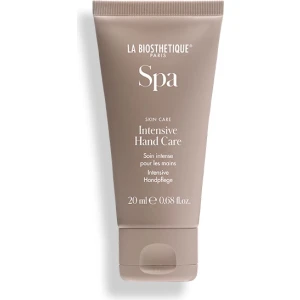
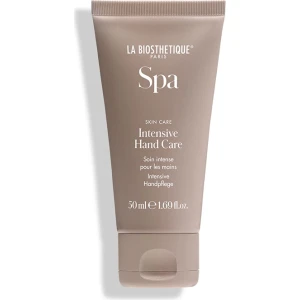


Hand Care
Hands are one of the most vulnerable areas of the human body, exposed daily to numerous aggressive factors. The skin of the hands requires no less attention than facial skin in daily care, yet it is often overlooked. The result is dryness, flaking, age spots, and signs of aging.
The skin on the hands ages faster than on most other parts of the body, and there are several reasons for this:
- a minimal number of sebaceous glands,
- constant contact with water and chemicals,
- exposure to UV radiation and temperature fluctuations.
Systematic hand care can slow down these processes and noticeably improve the current condition of the skin.
Signs That Your Hand Skin Needs Help
- The earliest and most common sign is a feeling of tightness after washing your hands or coming into contact with water. If this sensation does not go away within a few minutes or appears even after using a mild soap, it indicates that the skin's protective barrier is compromised and it cannot retain moisture on its own.
- Flaking and dryness. When the skin loses too much moisture and lipids, the upper layer of the epidermis begins to peel, which manifests as visible flaking, especially on the knuckles and between the fingers. At this stage, the skin may become rough to the touch, losing its smoothness and softness.
- Micro-cracks are a more serious problem that arises when dryness reaches a critical level. Cracks cause physical discomfort and create a gateway for infections and irritants to penetrate into the deeper layers of the skin.
- Loss of elasticity and the appearance of wrinkles are signs of age-related changes that have begun, which appear on the hands earlier than on the face.
- Age spots, or lentigo, are the result of accumulated UV damage. They appear on the back of the hands as small brown spots of various sizes and shapes. Unlike freckles, which may come and go depending on the season, lentigo remain on the skin permanently and may increase in number and size over time.
The condition of the nails and cuticles also reflects the overall health of the hand skin. Brittle, peeling nails, dry and cracked cuticles, and the frequent appearance of hangnails are all signs that the skin and nails lack nourishment and protection.
Daily Hand Care Ritual
Morning
Morning hand care should be aimed at creating a protective barrier that will shield the skin throughout the active day:
- Start with a gentle cleanse. If your hands are not heavily soiled, it is enough to rinse them with warm (not hot!) water using a mild cleanser with a neutral or slightly acidic pH.
- After cleansing, it is important to dry your hands properly. You should not rub them vigorously with a towel—it is enough to gently pat them dry, leaving the skin slightly damp. It is on damp skin that moisturizers work best, as they more effectively seal moisture into the epidermis.
- Apply a hand moisturizer. In the morning, it is better to choose light textures that absorb quickly and leave no greasy residue—this will allow you to use your hands comfortably immediately after application. Ideally, the day cream should contain SPF filters to protect against UV radiation. Even on cloudy days and indoors, UV rays penetrate through windows and affect the skin.
- The final step of the morning ritual is cuticle care. A drop of cuticle oil will help keep the cuticle soft and prevent hangnails. This procedure is convenient to do while the hand cream is absorbing.
Evening
In the evening, you can and should use richer, more nourishing textures that will work throughout the night, when the skin is in active recovery mode.
- Evening cleansing, like morning cleansing, should be gentle so as not to disrupt the protective barrier.
- In the evening, you can use serums and concentrates with active ingredients: retinol for cell renewal, vitamin C for antioxidant protection and brightening, peptides for collagen stimulation, and AHA acids for gentle exfoliation. These components work most effectively at night when the skin is not exposed to external factors.
- A nourishing cream or balm with a rich texture is applied over the serum. Evening products usually contain more oils, waxes, and occlusive components that create a protective film, preventing moisture loss throughout the night.
Weekly Procedures
Additional hand care is aimed at deeper cleansing, nourishment, and restoration. These procedures take more time, but their effect is cumulative and significantly improves the overall condition of the skin.
- Exfoliation is one of the key weekly procedures. Exfoliating with scrubs and peels removes dead skin cells that accumulate on the surface, making it dull and rough. After peeling, the skin becomes smoother, and care products penetrate deeper and work more effectively. It is important to choose gentle exfoliants and not perform the procedure more than 1-2 times a week to avoid damaging the protective barrier.
- Hand masks contain a higher concentration of active ingredients and are applied for a longer time (usually 15-30 minutes), allowing them to work more intensively. There are various types of masks: moisturizing, nourishing, anti-aging, and brightening. The choice depends on the current needs of the skin.
- Hand baths with oils, herbs, or sea salt improve blood circulation, soften the skin and cuticles, and prepare the hands for further care. After a bath, the skin is especially receptive to the active ingredients of creams and masks.
- Hand massage improves blood circulation, which promotes better skin nourishment and the elimination of toxins. It also helps relieve tension and fatigue, especially for people whose work involves constant strain on the hands (computer work, playing musical instruments, manual labor). The massage can be performed using massage oil or a nourishing cream.
Active Ingredients in Hand Products
Humectants
These are ingredients that attract and retain moisture in the skin. Humectants are especially effective in humid environments but can have the opposite effect in very dry air, drawing moisture from the deeper layers of the skin to the surface, where it quickly evaporates. Therefore, it is important to combine them with occlusive ingredients that seal the moisture inside.
- Hyaluronic acid is one of the most popular and effective humectants. It can hold moisture up to 1000 times its weight, providing intense hydration. There are two main forms of hyaluronic acid: high-molecular-weight, which remains on the surface of the skin and creates a moisturizing film, and low-molecular-weight, which penetrates deeper into the epidermis. Modern products often contain a combination of both forms for comprehensive hydration.
- Glycerin is a classic humectant that has been used in cosmetics for over a hundred years. It is effective, accessible, and well-tolerated by most skin types. Glycerin not only moisturizes but also softens the skin, improving its texture.
- Urea is an ingredient that works as a humectant at low concentrations (up to 10%) and as a keratolytic at high concentrations (10-40%), gently exfoliating dead skin cells. Urea is especially effective for very dry, rough skin with signs of hyperkeratosis.
- Panthenol (provitamin B5) is a multifunctional ingredient that moisturizes, heals, soothes, and strengthens the skin's protective barrier. It is especially useful for damaged, irritated skin, and in the presence of micro-cracks and irritations.
Emollients and Occlusives
These ingredients create a protective layer on the surface of the skin, preventing moisture loss. If humectants attract moisture into the skin, emollients and occlusives keep it there, preventing it from evaporating.
- Ceramides are lipids that are naturally present in the skin and make up about 50% of its lipid barrier. They act as "cement," binding the cells of the epidermis together and creating a strong protective barrier. With age and under the influence of aggressive factors, the amount of ceramides in the skin decreases, leading to a disruption of the barrier function, dryness, and increased sensitivity. Creams with ceramides help replenish this deficiency and restore the protective layer.
- Squalane is a light oil that is structurally similar to squalene—a component of human natural sebum. It absorbs perfectly without leaving greasy residue and is excellently tolerated even by sensitive skin. It softens, moisturizes, and protects the skin, and also has antioxidant properties.
- Natural oils and butters are rich sources of fatty acids, vitamins, and antioxidants. Shea butter is one of the most popular oils for hand care due to its ability to deeply nourish and restore the skin. It is rich in fatty acids and vitamins A and E, which strengthen the protective barrier and protect against free radicals. Cocoa, mango, coconut, almond, and avocado butters—each has its own unique profile of fatty acids and active ingredients, but they all effectively nourish and soften the skin.
- Lanolin is an animal-derived wax obtained from sheep's wool. It has excellent occlusive properties, creating a dense protective film on the skin. Lanolin is especially effective for very dry, cracked skin, but it can cause allergic reactions in some people.
- Beeswax is a natural occlusive ingredient that creates a breathable protective film on the skin. It is rich in vitamins and has antibacterial properties. Beeswax is often used in balms and thick hand creams.
Antioxidants
They protect the skin from free radicals—unstable molecules that damage cells and accelerate aging. Free radicals are formed under the influence of UV radiation, pollution, stress, and other aggressive factors. Antioxidants neutralize free radicals, preventing cell damage and slowing down the aging process.
- Vitamin E (tocopherol) protects cell membranes from oxidative damage, moisturizes the skin, and enhances the action of other antioxidants, especially vitamin C. It is often used in combination with vitamin C for a synergistic effect.
- Vitamin C (ascorbic acid and its derivatives) is a powerful antioxidant that protects the skin, stimulates collagen production, brightens pigmentation, and evens out skin tone.
- Green tea extract is a rich source of polyphenols, especially EGCG (epigallocatechin gallate), one of the most powerful natural antioxidants. Green tea extract protects against free radicals, has anti-inflammatory properties, and soothes irritated skin.
- Resveratrol is an antioxidant derived from grape skins and some other plants. It has powerful antioxidant and anti-inflammatory properties, protects the skin from UV damage, and slows down the aging process.
- Ferulic acid is a plant-derived antioxidant that is especially effective in combination with vitamins C and E. This combination provides a synergistic effect, significantly enhancing protection against free radicals and UV damage.
Anti-Aging Actives
Anti-aging ingredients are aimed at combating signs of aging: wrinkles, loss of firmness, pigmentation, and overall deterioration of skin quality. They work through various mechanisms: stimulating the production of collagen and elastin, accelerating cell renewal, and protecting against damage.
- Retinol and retinoids are derivatives of vitamin A, some of the most studied and effective anti-aging ingredients. They accelerate skin cell renewal, stimulate the production of collagen and elastin, even out tone and texture, and reduce the visibility of wrinkles and pigmentation.
- Peptides are short chains of amino acids that act as signaling molecules, telling the skin to produce certain components.
- Niacinamide (vitamin B3) is a multifunctional ingredient that works in several directions at once: it strengthens the skin's protective barrier by stimulating the production of ceramides; evens out tone by suppressing the transfer of pigment to skin cells; reduces the visibility of pores and wrinkles; regulates sebum production; and has anti-inflammatory properties. Niacinamide is well combined with most other active ingredients and is suitable for all skin types.
- Coenzyme Q10 (ubiquinone) is a component that is naturally present in cells and is involved in energy production. With age, the level of coenzyme Q10 in the skin decreases, leading to a slowdown in cell renewal and a decrease in the skin's ability to recover. Creams with coenzyme Q10 help replenish this deficiency, improving energy metabolism in cells and slowing down the aging process.
- Plant stem cells are extracts from plants containing components capable of stimulating skin renewal and restoration. They are not stem cells in the literal sense (which is impossible in cosmetics), but they contain active substances that protect skin cells from damage and stimulate their renewal.
Brightening and Tone-Evening Ingredients
Ingredients aimed at combating pigmentation and evening out skin tone work through various mechanisms: suppressing melanin production, accelerating cell renewal, and exfoliating pigmented cells.
- Arbutin suppresses the activity of tyrosinase—an enzyme necessary for melanin production. Arbutin is gentler than many other brightening ingredients and is well-tolerated by sensitive skin.
- Kojic acid also suppresses tyrosinase. It is effective against various types of pigmentation, including solar lentigo and post-traumatic hyperpigmentation.
- Azelaic acid brightens pigmentation and has anti-inflammatory and antibacterial properties.
- Licorice extract contains glabridin—a component that suppresses tyrosinase activity and has anti-inflammatory properties. Licorice extract gently brightens pigmentation and soothes irritated skin.
- AHA acids in low concentrations gently exfoliate the skin, helping to brighten pigmentation by accelerating cell renewal and removing pigmented cells from the skin's surface.
Healing and Soothing Ingredients
These ingredients are especially important for damaged, irritated, and sensitive skin, as well as in the presence of micro-cracks and other damage.
- Centella asiatica is a plant that has been used for centuries in Asian medicine for wound healing. Modern research has confirmed its effectiveness: the active components of centella (madecassoside, asiaticoside) stimulate collagen production, accelerate healing, have anti-inflammatory properties, and strengthen blood vessel walls.
- Bisabolol is the active component of chamomile, which has powerful anti-inflammatory and soothing properties. It relieves irritation, redness, and itching, and accelerates healing.
- Allantoin is an ingredient derived from comfrey root or synthesized artificially. It accelerates healing, stimulates cell regeneration, softens, and soothes the skin. Allantoin is well-tolerated even by the most sensitive skin and is often used in products for baby skin.
- Zinc (zinc oxide, zinc gluconate) is an ingredient that has anti-inflammatory, antiseptic, and healing properties. It is especially effective for irritations, inflammations, and micro-cracks.
Ingredients in Nail Care Products
Specialized ingredients for nail and cuticle care are aimed at strengthening the nail plate, preventing brittleness and peeling, and nourishing the cuticle.
- Biotin (vitamin B7, vitamin H) is one of the most important vitamins for nail health. It is involved in the production of keratin—the protein that makes up nails. Biotin deficiency leads to brittle and peeling nails.
- Keratin is the protein that makes up nails. Products with keratin help replenish the deficiency of this protein in the nail plate, making nails stronger and more resistant to damage.
- Tea tree oil is especially useful for preventing fungal nail infections, which can occur when the nail plate or cuticle is damaged.
- Myrrh oil is an essential oil that strengthens nails, prevents brittleness, and has antiseptic properties. It also softens the cuticle and prevents the appearance of hangnails.
- Vitamins A and E in oil form nourish the nail plate and cuticle, prevent dryness and brittleness, and accelerate nail growth.
Seasonal Hand Care
Winter
The care strategy in the cold season should be aimed at maximum protection and intense nourishment:
- The first and most important rule is the mandatory use of gloves when going outside. Gloves should be made of natural materials (wool, leather with a warm lining) that protect against cold and wind but allow the skin to breathe. You should put on gloves before leaving the house, not outside when your hands are already freezing.
- Switch to richer, more nourishing textures. Light summer lotions and fluids do not provide sufficient protection and nourishment in winter.
- Apply a protective cream 15-20 minutes before going out into the frost. The cream needs time to absorb and form a protective layer. If you apply the cream right before going out, it won't have time to absorb, and the water contained in the cream can freeze on the skin, leading to even more damage.
- Intensive night recovery. Use the most nourishing products possible, apply them in a thick layer, and use the occlusion technique with cotton gloves. This will allow the skin to fully recover overnight and prepare for the next day.
- Warm baths and paraffin therapy. These procedures are especially effective in winter: they intensely nourish and moisturize the skin, improve blood circulation, warm, and relax. Paraffin therapy creates a sauna effect, allowing active ingredients to penetrate deep into the skin.
Summer
The main problems of this period are increased UV exposure, contact with chlorinated and salt water, sweating, and the need to use lighter textures.
- The main priority of summer care is sun protection. Hands are constantly exposed to UV radiation: while driving, during walks, and when working by a window. Apply hand cream with SPF daily, regardless of the weather or time of year.
- Thick winter creams may be uncomfortable in the warm season: they leave greasy marks, create a film-like sensation, and prevent the skin from breathing. They should be replaced by light lotions, emulsions, fluids, and gels that absorb quickly and leave no residue.
- Chlorinated pool water and salty seawater dry out the skin severely. After every contact with such water, it is necessary to thoroughly rinse your hands with fresh water and apply a moisturizing cream to restore the water balance.
- In summer, the skin is exposed to particularly intense effects of free radicals due to increased UV radiation. Products with antioxidants (vitamins C and E, green tea extract, ferulic acid) help neutralize free radicals and protect the skin from damage.
- Regular use of cuticle oil and protective nail products will help maintain their health and beautiful appearance.
Off-Season
- The main rule of the off-season is a gradual change of products. You should not abruptly switch from summer textures to winter ones or vice versa. Start gradually introducing richer or, conversely, lighter products, observing the skin's reaction. This will allow the skin to smoothly adapt to new conditions without stress.
- During periods of unstable weather, the skin is especially vulnerable, so it is important to use products that strengthen its protective barrier: creams with ceramides, oils, and niacinamide.
- Autumn and spring are a good time for intensive care courses: vitamin masks, antioxidant serums, and peels. This will help the skin prepare for the upcoming season and strengthen its resources.
- In the off-season, the skin can react differently: on some days it needs more hydration, on others—more nourishment. Be prepared to adapt your care depending on the current needs of the skin.
Where to Buy Hand Care Products
Premium professional hand care products are available at the Milfey online store with fast delivery across Spain and Europe. We guarantee 100% authenticity of every item. You can ask a question about a product or request a personalized consultation via:
- Phone: +34 669 993 294
- Email: info-shop@milfeybeauty.com
Disclaimer
- The effects mentioned are stated properties of cosmetic products.
- Results may vary depending on individual skin type and consistency of use.
- Before using new products, it is recommended to consult a specialist.
Q&A
How many times a day should you apply hand cream?
The gold standard is after every contact with water. If you work in an office with dry air from air conditioners or radiators, keep the cream on your desk and reapply it every 3-4 hours.
Do you need hand cream with SPF in winter and on cloudy days?
UVA rays, which are responsible for photoaging, pigmentation, and collagen breakdown, penetrate clouds and window glass year-round. If you drive a car or sit by a window, your hands receive a dose of radiation even in December.
What should you do if hand cream doesn't help and the dryness doesn't go away?
If you use a high-quality nourishing cream, wear gloves, but dryness, itching, and flaking persist, it is a reason to reconsider your cleanser (perhaps it is too harsh) or consult a dermatologist. Chronic dryness can be a symptom of vitamin deficiencies (A, E, B group, iron), thyroid problems, or the onset of eczema.