Men's body care
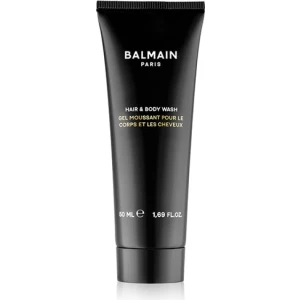
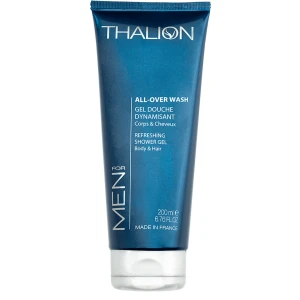
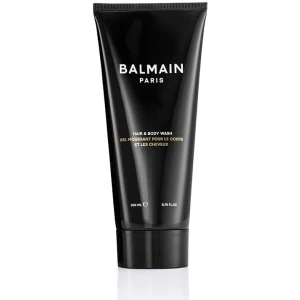
Men's Body Care Products
Shower gels, lotions, scrubs, deodorants, body oils — all of these now occupy a dedicated shelf in the bathroom of a man who takes care of himself. If you are facing a choice or just starting out, this section of the online store has everything you need to know about men's body care products: what they are, how they differ, how they work, and how to choose them based on your skin type, age, season, and lifestyle.
Why Men's Skin Needs Dedicated Care
Men's skin is structured differently than women's. This is not an abstract statement, but concrete physiology that directly affects which products suit you and how they work.
- Thickness. The male epidermis is about 20-25% thicker than the female one. The dermis is denser, and collagen fibers are packed more tightly. This provides natural protection but also makes the skin more resistant to light textures — an overly watery body care formula might simply not deliver a noticeable effect.
- Sebum. Under the influence of androgens, men's sebaceous glands are more active. The skin produces more sebum, pores clog more often, and breakouts frequently appear on the back, chest, and shoulders.
- Sweating. Men sweat more intensely on average. This is a natural thermoregulation mechanism, but it creates an environment for bacterial growth.
- pH. The acid-base balance of men's skin is shifted towards more acidic values (approximately 5.4-5.7). Products with an unsuitable pH can disrupt the protective barrier and provoke irritation.
- Mechanical Stress. Shaving, clothing friction, physical labor, sports — all of this regularly traumatizes the upper layers of the skin. Micro-injuries, redness, and ingrown hairs are typical companions of men's grooming.
Men's body care products are developed with these features in mind: richer textures, sebum control, antibacterial components, and post-shave formulas.
What Falls Under the Category of Men's Body Care Products
This name hides an entire group of products with different purposes.
Men's Cleansers
This is the foundation of any routine. Shower gels, shower creams, foams, micellar formulas, liquid body soaps. Their job is to remove sweat, sebum, dust, deodorant residue, and sunscreen without drying out the skin.
Shower gels come in several types:
- Classic — lightweight, lather well, suitable for normal and oily skin. Rinse off quickly, leave no film.
- Creamy — richer, with added oils and moisturizing ingredients. A great choice for dry and sensitive skin.
- 2-in-1 and 3-in-1 formulas — combine body wash, shampoo, and sometimes conditioner. Convenient for the gym, business trips, and minimalist routines. But for daily use, it's better to choose separate products, as the needs of body skin and hair still differ.
- Micellar gels — ultra-gentle, for reactive skin or skin with dermatological conditions.
A separate category includes dry sprays and body wipes. They don't replace a full shower but come in handy after a workout or on the road when water isn't accessible.
Exfoliants
Body scrubs and peels remove dead cells, smooth skin texture, prevent ingrown hairs after shaving, and help skincare products absorb better.
- Mechanical scrubs contain abrasive particles: salt, sugar, ground seeds, polymer beads. They work through physical friction. Suitable for rough areas: elbows, knees, feet.
- Acid peels with AHA (glycolic, lactic acid), BHA (salicylic acid), or PHA dissolve the bonds between dead cells. They act more gently and don't traumatize the skin. Salicylic acid is especially useful for body breakouts.
- Enzyme peels based on papaya or pumpkin enzymes are the most delicate option for sensitive skin.
Frequency of use depends on skin type: oily and thick skin tolerates exfoliation 2-3 times a week, while dry and sensitive skin needs it once a week or less.
Moisturizers
After cleansing, the skin needs to restore its water balance. This is where the following come into play:
- Lotions and milks — lightweight, absorb quickly, leave no greasiness. Suitable for normal and oily skin, and for the warm season.
- Body creams — richer, with nourishing ingredients. An option for dry skin and cold weather.
- Balms and butters — rich textures based on shea, cocoa, and mango butters. For very dry, rough skin, and for targeted application to elbows, knees, and feet.
- Gels and fluids — weightless formulas that feel invisible on the skin. Great for men who dislike the feeling of cream on their body.
- Mists and sprays — instant hydration throughout the day. Convenient in air-conditioned offices, after the pool, or while traveling.
Nourishing and Restorative Products
If hydration gives the skin water, nourishment replenishes lipids — the fats that make up the protective barrier.
- Body oils (jojoba, almond, coconut, argan) — applied to damp skin after a shower, they create a protective film and prevent moisture loss.
- Restorative balms with ceramides, panthenol, and allantoin — for skin after shaving, sun exposure, or frost.
- Products with peptides and antioxidants — for mature skin that is starting to lose firmness.
Deodorizing Products
Odor and sweat control is a separate major topic.
- Deodorants mask odor and suppress bacterial growth. They do not affect sweat volume.
- Antiperspirants contain aluminum salts that temporarily constrict pores and reduce sweat production.
- Deodorant creams and pastes — an alternative format, often based on alum or baking soda. Suitable for sensitive underarm skin.
- Foot products — sprays, creams, and powders with antibacterial and cooling effects.
Formats include sprays, sticks, roll-ons, creams, and pastes. The choice depends on personal preference and skin sensitivity.
Intimate Hygiene Products
The skin in this area is thinner, more sensitive, and has its own microflora. A regular shower gel with harsh surfactants can cause irritation, dryness, and microflora disruption.
Specialized intimate hygiene gels and foams for men have a slightly acidic pH, are soap-free, and contain no dyes or strong fragrances. They often include lactic acid, aloe extract, and mild antibacterial components.
Toning and Protective Products
- Toners and lotions after showering with menthol, mint, and eucalyptus provide a feeling of freshness and light cooling.
- SPF products protect body skin from UV rays. Essential in summer, on vacation, and when working outdoors.
- Protective creams against wind and cold create a barrier in cold weather.
- Cooling gels with menthol and caffeine relieve fatigue after workouts and improve microcirculation.
- Firming and anti-cellulite products with caffeine, guarana extract, and algae. Yes, they exist for men, and yes, they work with regular use.
Fragranced Products
Fragranced lotions, mists, and body oils complement your main fragrance or create a light background trail. They don't replace perfume but help it last longer and smell more consistent.
Choosing Men's Body Care Products by Skin Type
A simple test: after showering with a gentle cleanser, wait 20-30 minutes without applying lotion, and assess how your skin feels.
Skin Type | Signs | What to Look For | What to Avoid |
| Dry | Tightness, flaking, roughness, itching | Creamy textures, ceramides, shea butter, glycerin, hyaluronic acid | Harsh sulfates, alcohol, hot water |
| Oily | Shine, enlarged pores, breakouts on back and chest | Lightweight gels, salicylic acid, niacinamide, charcoal, tea tree oil | Heavy oils, comedogenic ingredients |
| Sensitive | Redness, burning, reaction to new products | Fragrance-free, dye-free, with aloe, oatmeal, allantoin, chamomile | Essential oils, sulfates, synthetic fragrances |
| Combination | Oily back and chest, dry elbows and shins | Balanced formulas, niacinamide | Extremely drying or overly nourishing products |
| Normal | Comfort, no pronounced issues | Any quality products suited to the season | — |
Most men have combination body skin. In winter, dryness worsens due to heating and cold air.
Choosing Body Care Products by Age
- 18-25 years. Skin is thick, sebum production is active. Main goals: quality cleansing, oil control, prevention of body breakouts. A light shower gel and lotion are enough. Scrub once a week.
- 25-35 years. First signs of reduced turgor appear. Antioxidants (vitamin E, green tea) and light hydration with hyaluronic acid are added to the basic routine. Pay attention to SPF if you spend a lot of time in the sun.
- 35-45 years. Skin becomes drier, barrier function weakens. Richer textures appear in the routine: creams, oils, balms. Ceramides, peptides, and retinol in body products are beneficial. Exfoliation helps with cell turnover, which slows down.
- 45+. Skin thins, loses moisture faster, and becomes more sensitive. Priority is gentle cleansing, intensive nourishment, and lipid barrier restoration. Creamy shower gels, rich balms, oils. Formulas without harsh surfactants and fragrances.
Seasonal Care for Men's Body Skin
- Summer. Skin sweats more, pores work harder. Lightweight gel textures, refreshing ingredients (menthol, mint, eucalyptus), and SPF products are suitable. Hydration comes from fluids and mists, not heavy creams. After the pool or sea, it's important to wash off chlorine and salt with a gentle product and apply a soothing lotion.
- Winter. Cold, wind, and dry indoor air dry out the skin. Switch to creamy shower gels, nourishing balms, and body oils. Protect exposed areas from frost. Use butters for elbows and feet. Apply moisturizer immediately after showering while the skin is still damp.
- Off-season. Skin adapts to changes in temperature and humidity. A good time for a course of gentle peels and recovery from winter dryness or summer sun.
Key Ingredients: What to Look for on the Label
Ingredients on the label or in the online store product card are listed in descending order of concentration. The first five positions are what the formula contains the most of.
Hydrating
- Glycerin attracts water from the air and retains it in the upper layers of the skin. Works in any formula.
- Hyaluronic acid binds water and increases hydration levels.
- Urea (at 5-10% concentration) moisturizes and gently exfoliates. Especially good for rough skin on feet and elbows.
- Panthenol (provitamin B5) moisturizes, accelerates healing, and relieves irritation.
- Allantoin softens and promotes regeneration.
Nourishing and Protective
- Ceramides are the lipids that make up the skin's protective barrier. They restore it and prevent moisture loss.
- Shea, jojoba, almond, and argan oils nourish, soften, and create a protective film.
- Squalane is a lightweight oil that doesn't clog pores and is suitable even for oily skin.
- Phospholipids support the structure of cell membranes.
Exfoliating
- Salicylic acid (BHA) penetrates pores and dissolves sebum plugs. Indispensable for body breakouts.
- Glycolic and lactic acid (AHA) renew the skin surface, even out tone and texture.
- Papaya and pumpkin enzymes provide gentle exfoliation without mechanical friction.
Soothing and Anti-inflammatory
- Aloe vera moisturizes, cools, and relieves redness.
- Niacinamide (vitamin B3) regulates sebum, strengthens the barrier, and reduces inflammation.
- Centella asiatica extract stimulates healing, suitable for damaged skin.
- Bisabolol — the active compound in chamomile, relieves irritation.
Antibacterial and Deodorizing
- Tea tree oil is a natural antiseptic, helps with breakouts and odor.
- Zinc (zinc oxide, zinc ricinoleate) suppresses bacteria and neutralizes odor.
- Probiotics and prebiotics support a healthy skin microflora.
Anti-aging and Antioxidant
- Retinol stimulates cell turnover and increases firmness.
- Vitamin E (tocopherol) is an antioxidant that protects against oxidative stress.
- Coenzyme Q10 and peptides support collagen synthesis.
Refreshing and Toning
- Menthol, mint, eucalyptus cool, invigorate, and relieve fatigue.
- Caffeine tones and improves microcirculation.
What to Avoid
- Sodium lauryl sulfate (SLS) in high concentrations is a harsh surfactant that dries the skin severely. Sodium laureth sulfate (SLES) is milder but can still irritate sensitive skin.
- Synthetic fragrances and dyes are frequent allergy triggers. If your skin is reactive, choose formulas without them.
- Alcohol at the beginning of the ingredient list severely dries and disrupts the barrier.
- Microplastics in scrubs don't harm the skin directly but harm the environment. In modern products, they are replaced by biodegradable particles.
- Triclosan is an antibacterial component restricted in several countries due to its potential impact on microflora.
How to Choose Men's Body Care Products
- Step 1. Determine your skin type.
- Step 2. Define your goal. What do you need most: quality cleansing, hydration, odor control, fighting breakouts, post-shave recovery? Don't try to solve everything with one product.
- Step 3. Consider your lifestyle. Working out several times a week, working outdoors, an air-conditioned office, frequent flights — all of this affects your skin's needs.
- Step 4. Match the texture to the season. Summer — gels, fluids, sprays. Winter — creams, balms, oils.
- Step 5. Study the ingredients. Active ingredients should be in the first half of the list. If a key component is listed at the very end, its concentration is minimal.
- Step 6. Check for tolerance. Apply a new product to a small area of skin first. Wait 24 hours. If there is no redness or itching, you can use it fully.
Daily Body Care Routine
Just 5-10 minutes in the morning and evening, plus weekly treatments, is enough.
Morning (5-7 minutes)
- Warm shower (not hot).
- Cleanse with shower gel. Apply a small amount to damp skin or a washcloth, lather, and massage in circular motions from top to bottom. Pay special attention to armpits, groin, feet, and back.
- Rinse thoroughly. Product residue on the skin can cause irritation and clog pores.
- Pat your body dry with a towel. Don't rub aggressively.
- Apply lotion or cream to slightly damp skin. This way, the product absorbs better and locks in more moisture.
- Deodorant or antiperspirant — on dry underarm skin.
- If you plan to be in the sun — apply an SPF product to exposed areas.
Evening (7-10 minutes)
- If you applied SPF during the day or sweated a lot, cleansing is mandatory.
- Warm shower with a gentle product.
- Moisturizing or nourishing cream, lotion, or body oil.
- On post-shave areas — a soothing, alcohol-free balm.
Once a Week
- Scrub or peel. Apply to damp skin after shower gel, massage for 1-2 minutes, and rinse. Do not scrub damaged or irritated skin.
- Intensive nourishment. Apply a body mask, rich balm, or oil to dry areas (elbows, knees, feet) for 10-15 minutes.
After a Workout
- Shower as soon as possible. Sweat and bacteria left on the skin provoke breakouts and irritation.
- Use a gentle gel, not a harsh antibacterial one.
- Cooling lotion or mist to relieve the feeling of heat.
- Clean clothes immediately after showering.
After Body Shaving
- Rinse the treated area with cool water.
- Apply a product with aloe, panthenol, or bisabolol.
- Avoid deodorants and fragranced lotions on freshly shaved skin for the first few hours.
- To prevent ingrown hairs, use a light salicylic acid peel 2-3 days after shaving.
Where to Buy Men's Body Care Products
Premium men's body care products are available at the Milfey online store with delivery across Europe. We guarantee 100% authenticity. You can ask a question about a product via:
- Phone: +34 669 993 294
- Email: info-shop@milfeybeauty.com
Disclaimer
- The effects mentioned are stated properties of cosmetic products.
- Results may vary depending on individual skin type and consistency of use.
- Before using new products, it is recommended to consult a specialist.