Sun protection
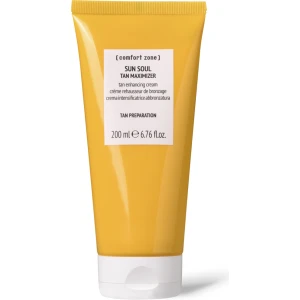
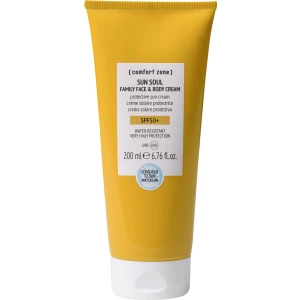
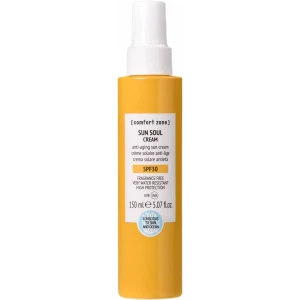
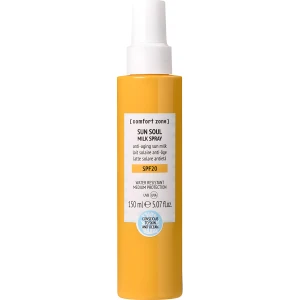
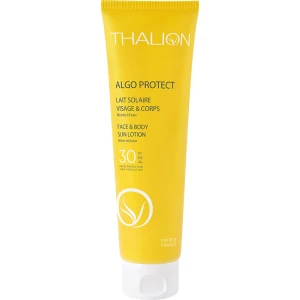
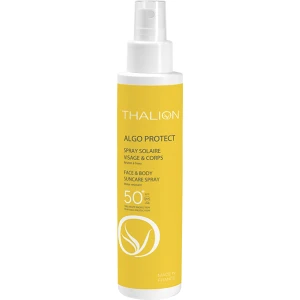
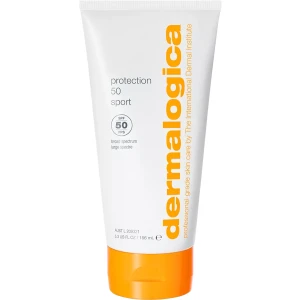
Body SPF Protection: Why Body Skin Needs Sunscreen Just as Much as Facial Skin
Every summer, millions of people remember the existence of sunscreen — and apply it predominantly to their face, neck, and hands. Meanwhile, body skin is exposed to ultraviolet radiation daily, even in cloudy weather. Scientists have proven that up to 80% of visible signs of skin aging are caused by the cumulative effect of UV rays. Dermatologists are unanimous: photoaging of body skin and the risk of developing melanoma are directly linked to neglecting body sunscreen.
Even more serious statistics concern oncology: skin cancer is the most common form of cancer, and in 90% of cases, its development is directly linked to prolonged ultraviolet exposure.
Ultraviolet Radiation: What Exactly Damages Body Skin
The sun emits electromagnetic energy across a wide range of wavelengths. The part we call ultraviolet is divided into three types of rays, each affecting the skin in its own way.
UVA Rays: The Invisible Collagen Destroyer
UVA rays make up about 95% of the ultraviolet radiation reaching the Earth's surface. They are present in the atmosphere year-round regardless of season or weather, and they affect the skin by penetrating through clouds, glass, and thin fabrics.
UVA rays have the longest wavelength (320-400 nm), which allows them to penetrate the deep layers of the skin — the dermis. This is exactly where collagen and elastin fibers are located, which are responsible for the skin's firmness, density, and youthful appearance.
What UVA rays do to the skin:
- destroy collagen and elastin fibers, causing photoaging;
- provoke the formation of free radicals that damage cell membranes;
- stimulate excessive melanin production, leading to hyperpigmentation and uneven skin tone;
- contribute to the development of certain forms of melanoma.
UVA = Aging. These rays do not cause instant burns, but their destructive effect accumulates imperceptibly.
UVB Rays: The Cause of Sunburns
UVB rays make up the remaining 5% of UV radiation. They have a shorter wavelength (280-320 nm) and higher energy. Unlike UVA, UVB rays predominantly damage the epidermis — the top layer of the skin.
Consequences of UVB exposure on body skin:
- sunburns (erythema, swelling, pain, peeling);
- direct damage to keratinocyte DNA, which is the trigger mechanism for carcinogenesis;
- stimulation of melanin synthesis (tanning as a protective reaction);
- exacerbation of photodermatitis and allergic reactions;
- suppression of the skin's local immunity.
UVB = Burning. These are the exact rays responsible for redness and pain after a day at the beach.
UVC Rays
UVC rays have the shortest wavelength and maximum destructive power. Fortunately, they are almost completely absorbed by the atmosphere's ozone layer and do not reach the Earth's surface. In the context of daily sun protection, they do not need to be taken into account.
Cumulative Effect: Why Body Damage Accumulates
Every time you go outside without body sunscreen, you add to DNA damage. In youth, the body manages to recover. But after 30-35 years of age, recovery efficiency drops, and damage begins to manifest:
- age spots on the shoulders and arms;
- a network of fine wrinkles on the décolletage;
- dryness and thinning of the skin on the shins;
- loss of tone on the inner surface of the arms and thighs;
- in the worst-case scenario — malignant neoplasms.
What is SPF and How Body Sunscreen Works
SPF stands for Sun Protection Factor. The number after the abbreviation shows how many times longer skin covered with sunscreen can be exposed to UVB rays before erythema (redness) appears, compared to unprotected skin.
Example: if your unprotected skin turns red in 10 minutes, then with the correct application of an SPF50 product, the theoretical time to burn increases to 500 minutes. However, in practice, creams break down, rub off, and wash away, so reapplication every 2 hours is mandatory.
What Percentage of Rays Each SPF Level Blocks
SPF Level | Percentage of UVB Rays Blocked |
| SPF15 | ≈ 93% |
| SPF30 | ≈ 97% |
| SPF50 | ≈ 98% |
| SPF100 | ≈ 99% |
The difference between SPF50 and SPF100 is only 1 percentage point. This means that chasing the maximum number on the label makes no practical sense. Dermatologists recommend SPF30-50 products for the body as the optimal balance between efficacy and texture.
Broad Spectrum Protection
SPF measures protection only against UVB rays. For full protection of body skin, the product must have a broad spectrum of action — Broad Spectrum / UVA/UVB protection. This means the formula includes filters that block both types of radiation.
Look for the following markings on the packaging:
- "Broad Spectrum";
- PA+, PA++, PA+++, PA++++ (Japanese system for evaluating UVA protection; the more pluses, the higher the protection);
- the UVA symbol in a circle (European marking of compliance with the minimum UVA protection standard).
How UV Filters Protect Body Skin
Body sunscreen contains active ingredients — UV filters — that work on one of two principles:
- Reflection and scattering — physical (mineral) filters create a microscopic "screen" on the skin's surface that reflects and scatters UV rays like millions of tiny mirrors.
- Absorption and conversion — chemical filters are absorbed into the upper layer of the epidermis, absorb UV radiation photons, and convert their energy into harmless heat.
In both cases, the result is the same: ultraviolet light does not reach living skin cells, does not destroy collagen, does not damage DNA, and does not provoke inflammation.
Types of Body Sunscreens: Physical, Chemical, Hybrid
Mineral (Physical) Filters
Active ingredients: Zinc Oxide and/or Titanium Dioxide.
How they work: applied to the skin's surface, they create a physical barrier that reflects and scatters both UVA and UVB rays. They start working immediately after application.
Pros for the skin:
- suitable for sensitive, reactive, and allergy-prone skin;
- do not penetrate the bloodstream, safe during pregnancy and for children;
- do not cause irritation and do not clog pores;
- hypoallergenic;
- photostable (do not break down in the sun).
Cons:
- thicker texture, may leave a white cast on dark skin;
- wash off more easily with water and rub off on clothes;
- require more thorough distribution over the body.
Chemical (Organic) Filters
Active ingredients: Avobenzone, Homosalate, Octocrylene, Oxybenzone, Mexoryl, Tinosorb, and others.
How they work: absorbed into the stratum corneum of the epidermis, they absorb UV rays and convert their energy into heat. They require 15-20 minutes after application to activate.
Pros for the body:
- lightweight, non-greasy texture, absorb quickly;
- leave no white streaks;
- more convenient for covering large areas of skin (legs, back, arms);
- hold up better during sweating.
Cons:
- may cause irritation in people with sensitive skin;
- some filters (oxybenzone) can penetrate the bloodstream;
- less stable in the sun, require more frequent reapplication;
- not recommended during pregnancy without consulting a doctor.
Hybrid (Combined) Formulas
Modern body products increasingly combine mineral and chemical filters in a single product. This allows for broad-spectrum protection with a more comfortable texture and less white cast.
Comparison Table: What to Choose for Body Skin
Criterion | Mineral | Chemical | Hybrid |
| Sensitive skin | Ideal | Possible reaction | Good |
| Children's skin (6+ months) | Safe | Undesirable | Use with caution |
| Pregnancy | Safe | After consultation | After consultation |
| Dark skin | May leave white cast | No cast | Generally no cast |
| Sports / swimming | Washes off easier | Holds up better | Good |
| Speed of action | Instantly | In 15-20 mins | In 10-15 mins |
Body Sunscreen Formats
One of the main advantages of the body sunscreen market is the variety of textures and formats. The best body sunscreen is the one you will actually use every day.
Body Cream with SPF
A classic format with a thick, enveloping texture. Creates a protective film on the skin and retains moisture well. Suitable for dry and normal body skin, as well as for targeted application to the most vulnerable areas: shoulders, knees, elbows, and décolletage.
Body Lotion and Milk with SPF
A lighter consistency, absorbs faster, and does not create a filmy sensation. The optimal choice for daily urban use: applied to hands, neck, décolletage, and legs under a skirt or shorts. Lotions often contain moisturizing ingredients — hyaluronic acid, aloe vera, and vitamin E.
Body Spray with SPF
The most convenient format for covering large areas: back, legs, arms. Just spray and distribute with your palms. Ideal for reapplication at the beach when you don't want to get your hands messy with cream.
Body Oil with SPF
A nourishing format for dry and dehydrated skin. Oils with SPF contain caring ingredients (shea butter, jojoba, vitamin E) and often have water-repellent properties. They frequently include shimmering particles for an aesthetic effect. Suitable for beach vacations and an even tan.
SPF Stick
A compact format for targeted protection: moles, tattoos, scars, ear area, nose, lips, and the back of the hands. Convenient to carry for spot reapplication throughout the day.
Gel and Emulsion with SPF
Ultra-lightweight, non-greasy textures that absorb quickly and leave no stickiness. Suitable for oily body skin, athletes, and hot climates. Gels do not clog pores and do not provoke folliculitis.
Which Format to Choose
Situation | Optimal Format |
| Daily urban protection | Lotion / Milk |
| Beach, pool | Water-resistant cream or oil |
| Sports, outdoor activities | Gel or spray |
| Large area (back, legs) | Spray |
| Targeted protection (moles, tattoos) | Stick |
| Dry body skin | Oil or thick cream |
| Sensitive / children's skin | Mineral cream or milk |
How to Choose Body SPF: Step-by-Step Guide
Step 1. Determine Your Phototype
The international Fitzpatrick classification identifies 6 skin phototypes:
Phototype | Characteristics | Body SPF Recommendation |
| I | Very fair skin, freckles, red hair. Always burns, never tans | SPF50+ year-round |
| II | Fair skin, light eyes. Burns often, tans with difficulty | SPF50, minimum 30 in the city |
| III | Medium-fair skin. Sometimes burns, tans gradually | SPF30-50 |
| IV | Olive skin. Rarely burns, tans easily | SPF30 |
| V | Dark skin. Almost never burns | SPF15-30, but protection is still needed |
| VI | Very dark skin. Never burns | SPF15-30 to prevent photoaging |
Important: even those with dark skin are not immune to UV damage. Melanin provides natural protection equivalent to roughly SPF 13-15, but this is not enough to prevent photoaging and the risk of oncology.
Step 2. Assess Sun Exposure Conditions
- City, cloudy, office: SPF15-30, lotion or milk.
- Beach, open sun, water: SPF50+, water-resistant cream or oil.
- Mountains, high altitude, snow: SPF50+, reapply every 1.5-2 hours (UV intensity increases by 4% for every 300 m of altitude; snow reflects up to 80% of UV).
- Sports, marathon, cycling: SPF50+, gel or spray, sweat-resistant.
Step 3. Check the Labeling
A quality body sunscreen label should include:
- numerical SPF value (no lower than 30 for the body);
- "Broad Spectrum" marking or the UVA circle symbol;
- PA scale (for Asian products) or PPD (for European products);
- water resistance indication if necessary (40 or 80 minutes);
- production date and expiration date;
- reapplication instructions.
Step 4. Study the Ingredients
Look for in the ingredients:
- a combination of filters for broad-spectrum protection;
- antioxidants (vitamin E, vitamin C, niacinamide, green tea extract);
- moisturizing components (hyaluronic acid, aloe vera, glycerin, panthenol);
- "fragrance-free" marking if the skin is sensitive.
Avoid or use with caution:
- oxybenzone (for allergy sufferers and children);
- parabens (if there is individual intolerance);
- alcohol in the first positions of the ingredient list (dries out body skin);
- strong fragrances (risk of contact dermatitis).
Step 5. Consider the Season and UV Index
Check the UV index in any weather app. If the index is greater than 2, body sunscreen is necessary. In mid-latitudes from April to October, the UV index regularly reaches 5-8, which requires SPF30-50 on all exposed areas of the body.
How to Properly Apply SPF Protection to the Body
Product Volume
To cover the entire body of an adult, about 30 ml of sunscreen is needed. This is roughly the volume of 2 tablespoons. In practice, most people apply only 25-50% of the required amount, which reduces real protection by 2-4 times.
Most Commonly Missed Areas
- back of the neck;
- ears and the area behind the ears;
- back of the hands and toes;
- back of the knees;
- inner thighs and arms;
- décolletage and shoulders;
- hair parting and scalp exposed due to thinning hair;
- feet (if wearing open-toed shoes);
- the area under swimsuit straps when changing positions.
Application Technique
- Apply the product 15-30 minutes before going out in the sun so the filters have time to distribute and stabilize on the skin.
- Squeeze out a sufficient amount of product and distribute it in even circular motions over all exposed areas of the body.
- Do not rub too intensely: the goal is to create an even layer.
- For spray: spray at a distance of 10-15 cm from the skin, then be sure to distribute with your palms for even coverage.
- For stick: glide over the skin 3-4 times for a sufficient layer.
- Let the product absorb for 2-3 minutes before getting dressed.
Reapplication
Sunscreen filters break down under the influence of the sun, sweat, water, and friction from clothing. Therefore:
- reapply sunscreen every 2 hours while in the sun;
- reapply after swimming, even if the product is water-resistant;
- reapply after intense sweating (sports, physical labor);
- reapply after towel drying;
- in conditions of extreme insolation (mountains, equator, noon), reduce the interval to 1-1.5 hours.
Compatibility with Other Products
- Self-tanner: apply sunscreen over self-tanner. Self-tanner itself does not protect against UV. Moreover, dihydroxyacetone (DHA) in self-tanner can increase the skin's sensitivity to free radicals, so SPF is mandatory.
- Insect repellents: apply the repellent first, let it absorb, then apply sunscreen. Do not use "2-in-1" products (mosquito spray + SPF), as their reapplication frequencies differ.
- Moisturizing body lotion: apply it 10-15 minutes before sunscreen. Do not mix them in the palm of your hand.
Water Resistance of Body Sunscreens
What the Labeling Means
There are no completely waterproof sunscreens. The term "waterproof" is not used in dermatology. Correct labeling:
- Water Resistant: maintains the stated SPF level for 40 minutes in water or while sweating.
- Very Water Resistant: maintains protection for 80 minutes.
Limitations
- After swimming in the sea or pool, part of the product is washed off mechanically (waves, towel friction, sand).
- Chlorinated and salt water accelerate the breakdown of filters.
- After towel drying, the protective layer is compromised by 50-70%.
Reapplication Rule
Even if the label says "water-resistant 80 minutes," dermatologists recommend reapplying the product immediately after getting out of the water, without waiting for the 80 minutes to expire. During active swimming, surfing, or water sports, reapplying every 40 minutes is a reasonable minimum.
Who Especially Needs Body SPF Protection
Absolutely Everyone
Regardless of age, gender, phototype, and geography, every person whose skin is exposed to daylight needs body sunscreen. Dark skin contains more melanin, but this does not negate the risk of photoaging, pigmentation, and, critically, melanoma, which is often diagnosed at late stages on dark skin.
Children and Teenagers
Children's skin is thinner, contains less melanin, and has immature DNA repair mechanisms. Recommendations:
- under 6 months: complete exclusion of direct sunlight, shade, closed clothing, stroller with a canopy;
- from 6 months: mineral sunscreens (zinc oxide, titanium dioxide) on exposed areas, SPF50, UPF clothing;
- from 3 years: mineral or hybrid products, sprays and sticks for convenient reapplication;
- reapply protection every 1.5-2 hours, especially at the beach and during active play.
Pregnant Women
During pregnancy, the skin becomes more sensitive to pigmentation. Preference should be given to mineral filters without oxybenzone and retinol. After consulting a doctor, hybrid formulas are acceptable.
People with Tattoos, Moles, and Scars
- Tattoos: UV rays destroy the pigment, and the design fades. Apply an SPF50 stick or thick cream to the tattoo.
- Moles: an area of increased oncological risk. Protect with a stick or a thick layer of cream.
- Fresh scars: for 12-18 months after an injury or surgery, protect from the sun to avoid persistent hyperpigmentation.
In some cases, SPF50+ (e.g., with increased photosensitivity) on the entire body is mandatory even in cloudy weather.
Comprehensive Body Sun Protection: The 5S Rule and Beyond
Sunscreen is a key, but not the only, element of protection. Dermatologists and cancer associations recommend a comprehensive approach:
SunSmart 5S Rule
- Slip — slip on protective clothing made of dense fabrics with long sleeves.
- Slop — slop on broad-spectrum sunscreen with SPF30+.
- Slap — slap on a wide-brimmed hat (brim at least 7 cm) covering the neck, ears, and shoulders.
- Seek — seek shade, especially from 10:00 to 16:00, when UV radiation is at its maximum.
- Slide — slide on sunglasses with 99-100% UVA/UVB blocking.
UPF-Rated Clothing
UPF (Ultraviolet Protection Factor) is an indicator of a fabric's protection against ultraviolet light. Unlike SPF, UPF always accounts for both UVA and UVB.
- UPF 15-24: good protection (blocks 93-96% of UV);
- UPF 25-39: very good (96-97.5%);
- UPF 50+: excellent (blocks ≥ 98% of UV).
UPF clothing is essential for beach vacations (rash guards, surf suits, children's swim rompers), as well as for people working in the sun.
Protection Against Reflected Radiation
Remember that UV rays reflect off surfaces:
- water reflects up to 10-30% of UV;
- sand — up to 15-25%;
- snow — up to 80%;
- concrete and asphalt — up to 10-12%.
This means that even in the shade of a beach umbrella, you receive a significant dose of reflected ultraviolet light. Sunscreen on the body is always needed, not just under direct rays.
Planning by UV Index
- UV Index 0-2: protection is not mandatory, but desirable during prolonged outdoor stays.
- 3-5: moderate risk. Sunscreen on exposed body areas, headwear.
- 6-7: high risk. Shade, clothing, sunscreen, limit time in the sun.
- 8-10: very high. Maximum protection, avoid the sun at noon.
- 11+: extreme. Do not go out in the open sun without full protection.
Essential Post-Sun Body Skincare
Even when using sunscreen, body skin experiences stress: mild dehydration, increased temperature, micro-damage from free radicals. After-sun products help to:
- soothe and cool the skin;
- restore the hydrolipid barrier;
- prevent peeling and prolong the tan;
- neutralize residual free radicals.
How to Properly Wash Off Body Sunscreen
- Chemical filters: a regular shower gel or soap is sufficient.
- Mineral and hybrid filters: zinc oxide and titanium dioxide can linger in the pores. Use double cleansing: first a hydrophilic oil or micellar water, then shower gel. This prevents clogged pores and body folliculitis.
Seasonality: Year-Round Body Protection
Summer
Peak UV activity. Beach, vacation, short sleeves, and shorts. Basic rules:
- SPF50 on all exposed areas;
- water-resistant formulas for swimming;
- reapply every 2 hours;
- shade between 10:00 and 16:00;
- after-sun every evening.
Winter
UV rays do not disappear. Snow reflects up to 80% of ultraviolet light, and in the mountains, intensity increases with altitude. Skiers and snowboarders get a double dose: direct + reflected radiation. Hands, neck, and décolletage are exposed even under a jacket.
Off-Season (Spring / Autumn)
A deceptive period: the sun seems mild, but UVA rays are active in any weather. Exposed hands, neck, and chest receive a cumulative dose of damage that will manifest years later.
Urban Environment Year-Round
Even if you spend 90% of your time indoors, incidental insolation accumulates: the commute to the subway, lunch break, driving a car (windows let UVA through), walking the dog. Dermatologists remind us: daily application of an SPF15-30 lotion or milk to the hands, neck, and décolletage is the simplest investment in the youthfulness of body skin.
Common Mistakes When Using Body SPF
- Applying too little product. A thin layer reduces the real SPF by 2-4 times.
- Forgetting "awkward" zones. Back of the neck, ears, feet, back of the knees, inner arms are typical "blind spots."
- Applying right before going out. Chemical filters need 15-20 minutes to stabilize.
- Not reapplying. One morning application is not enough for the whole day. Every 2 hours is the rule.
- Using expired product. UV filters degrade. Shelf life is usually 2-3 years; after opening — 6-12 months.
- Relying only on high SPF. SPF100 does not mean "you don't need to reapply for 10 hours."
- Mixing sunscreen with self-tanner. DHA (dihydroxyacetone) in self-tanner increases photosensitivity.
- Not washing off the product at night. Mineral filters clog pores and provoke folliculitis.
- Ignoring protection in cloudy weather. Up to 80% of UVA rays pass through clouds.
- Not protecting tattoos and moles.
Top Professional Brands for Sun Protection
The Milfey online store features the best haircare and sun protection products from premium cosmetic brands, including:
These leading brands offer advanced formulas designed to shield your body from harmful UV rays, ensuring comprehensive sun protection while maintaining optimal health and shine.
Where to Buy Sun Protection Products
Premium sun protection and scalp care products are available at the Milfey online store with delivery across Europe. We guarantee 100% authenticity. You can ask a question about a product via:
- Phone: +34 669 993 294
- Email: info-shop@milfeybeauty.com
Disclaimer
- The effects mentioned are stated properties of cosmetic products.
- Results may vary depending on individual skin characteristics and consistency of use.
- Before using new sun protection or care products, it is recommended to consult a specialist.