Sun protection
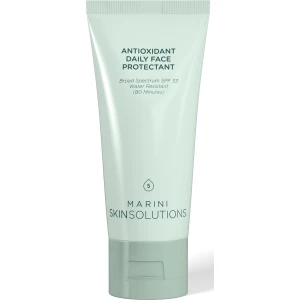
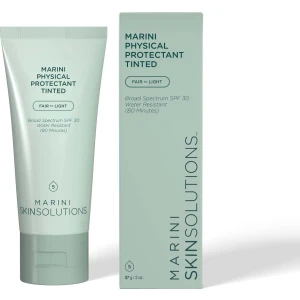
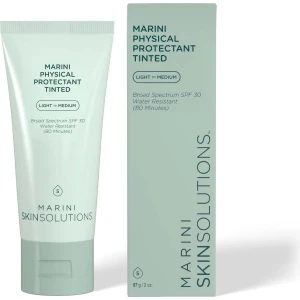
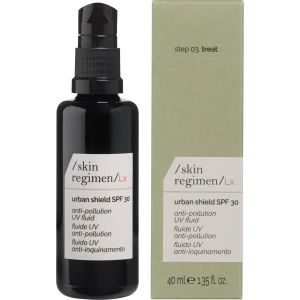
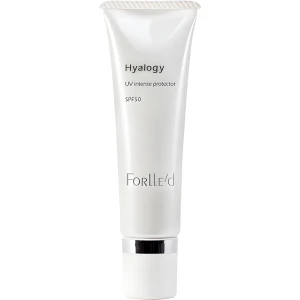
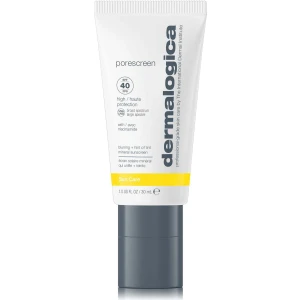
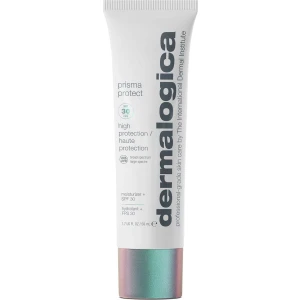
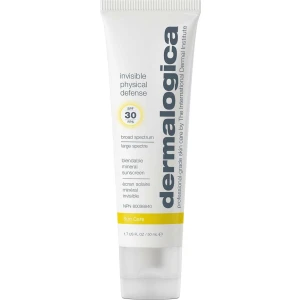
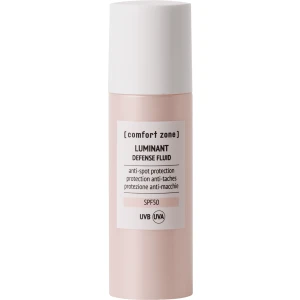
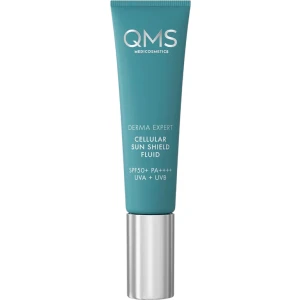
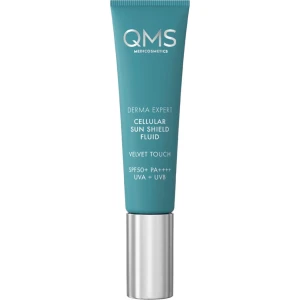
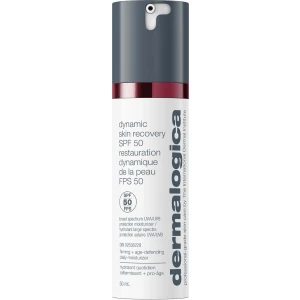
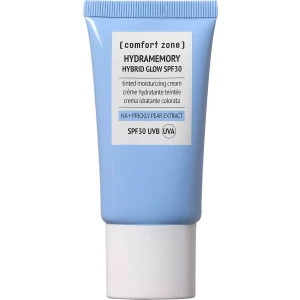
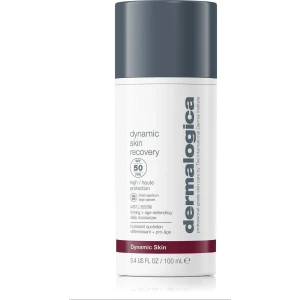
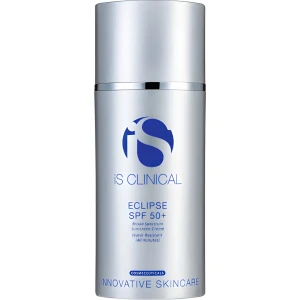
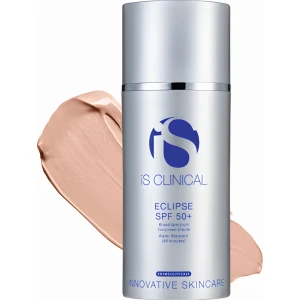
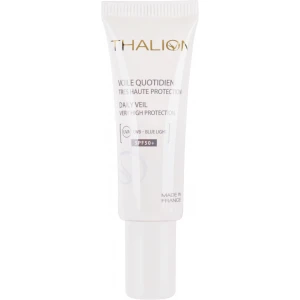
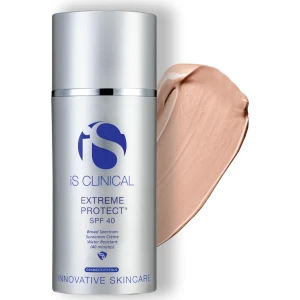
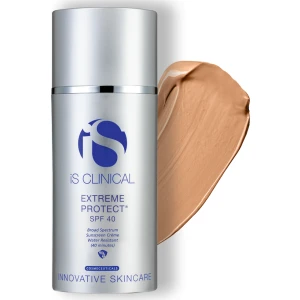
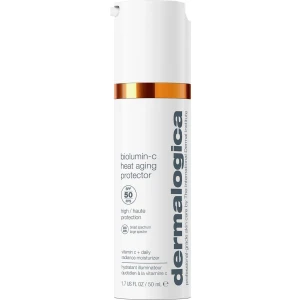
SPF for Face
Sun rays can lift your mood and give your skin a beautiful glow. At the same time, unprotected skin exposed to UV rays risks not only painful sunburn but also more subtle long‑term effects:
- photoaging,
- hyperpigmentation,
- loss of elasticity,
- and other skin concerns that may develop over time.
Proper use of facial SPF (Sun Protection Factor) products is an essential step for maintaining healthy, youthful‑looking skin and should be part of your daily routine.
Physical and Chemical Filters
Sunscreens work through filters. They fall into two main types and differ fundamentally in their mechanism of action.
Physical (Mineral) Sunscreens
They start working immediately after application and act on the skin's surface. They reflect and scatter UV rays (both UVB and UVA), helping to prevent them from penetrating the skin.
Key ingredients:
- Titanium dioxide — protects against UVB and short UVA rays;
- Zinc oxide — effectively protects against UVB, the full UVA spectrum, and even some visible light.
These formulas are stable, hypoallergenic, less likely to cause irritation, and suitable for sensitive, reactive, children's skin, and skin after aesthetic procedures.
Drawbacks:
- May leave a white cast (the "white mask" effect), especially on darker skin tones — though modern formulas with micronized particles or tinted versions help address this.
- May have a thicker, stickier texture — though technology is constantly improving.
- Require more frequent reapplication.
Chemical (Organic) Filters
They work as follows:
- Provide a high level of protection with a smaller amount of product;
- Are easy to apply;
- Do not leave white residue;
- Act as microscopic "sponges" that absorb UV radiation;
- Convert it into heat energy that is safely released from the skin;
- Usually have very light, invisible textures (fluids, emulsions).
Drawbacks:
- It takes 15‑30 minutes to become effective after application.
- Higher risk of irritation or allergy (especially for sensitive skin).
- Some chemical filters are unstable — they break down in sunlight and require combination with other filters and stabilisers.
- May increase skin sensitivity to heat (a slight warming sensation).
Hybrid Formulas
Many modern facial sunscreens combine physical and chemical filters. This allows for:
- Maximising broad‑spectrum protection;
- Minimising the white cast from mineral filters;
- Creating pleasant, lightweight textures;
- Improving the photostability of the formula.
Which SPF to Choose
Choosing SPF by Purpose
- City environment — at least SPF15 depending on phototype and season. Look for UVA protection (indicated as UVA in a circle, PA++++, or "Broad Spectrum").
- Beach or mountains, outdoor sports — intense UV reflection requires SPF30‑50+ for all phototypes.
- Post‑aesthetic procedures — only SPF50+ with a high percentage of mineral filters and strict sun avoidance.
Additional factors:
- For sensitive skin, prefer mineral filters or hybrid formulas.
- For pigmentation‑prone skin, maximum UVA protection (PA++++, high PPD) and SPF50+ are recommended.
- For tattoos, use SPF50+ to help prevent fading. Stick formats work well — apply extra SPF directly to the tattooed areas.
Which SPF for Everyday Use
At the beach, maximum protection and water resistance are key. For the city, you need a product that is truly comfortable to wear — no white cast, no pilling, no conflict with makeup, no greasy shine, and no irritation.
How to Choose SPF for the City
- For daily urban routines, SPF30+ is optimal (blocks about 97% of UVB rays).
- If you spend a lot of time outdoors, drive frequently, burn easily, or use acids or retinoids — choose SPF50 (blocks up to 98%).
- The packaging should also carry a "Broad Spectrum" label or a UVA circle symbol — to ensure protection against both UVA and UVB rays. UVB rays are primarily associated with sunburn and premature ageing, while UVA rays contribute more to photoaging and pigmentation. UVA rays penetrate window glass, making broad‑spectrum protection especially important in the city.
Physical or Chemical Filters: What to Choose
| Filter Type | How It Works | Pros | Cons |
| Physical / Mineral (titanium dioxide, zinc oxide) | Reflect and scatter UV rays on the skin's surface | Instant protection, better tolerated by sensitive skin, mattifying | May leave a white cast, thicker texture |
| Chemical | Absorb UV rays and convert them into heat energy | Invisible on the skin, lightweight textures, often more comfortable under makeup | Require 15‑20 minutes to activate, may cause irritation |
When choosing, consider your comfort and skin type:
- If you have sensitive skin or rosacea — prefer physical filters (they are less likely to cause irritation).
- If avoiding a white cast is important — choose chemical filters or physical/mixed sunscreens with a tinted effect.
Important: Comfort and irritation risk depend not only on the type of filters but also on the overall formula and other ingredients. The key rule is to choose broad‑spectrum protection with SPF30+.
First and foremost, look for products suited to your skin type:
- For oily and combination skin — lightweight fluids, gels, or mattifying emulsions labelled "non‑comedogenic."
- For dry and dehydrated skin — hydrating formulas with hyaluronic acid and ceramides, as well as universal creams for dry and normal skin.
- For sensitive skin — mineral products (physical filters) with soothing ingredients.
- For blemish‑prone skin — non‑comedogenic products without alcohol or fragrance.
The product should not leave a white cast, a greasy film, or pill. It should spread easily, absorb quickly, and provide a good base for makeup.
How to Choose a Facial SPF Product
The first step in choosing a facial sunscreen is to determine your skin phototype. Then consider what additional benefits you would like, such as mattifying, nourishing, or hydrating properties.
Skin phototype refers to skin colour and its natural response to UV radiation and its ability to protect itself. There are six phototypes in total. Simplified, three main protection groups can serve as a guide:
- Fair skin, light eyes, freckles — burn more often than tan. Require SPF30, ideally SPF50.
- Light skin, dark or light eyes, hair from blonde to medium brown — tan fairly well but can burn. SPF25‑35 is recommended.
- Olive or darker skin — tan easily, but sunscreen is still needed. SPF15 or higher can be sufficient.
All skin types also benefit from UVA protection:
- The lighter the phototype, the higher the risk of sunburn, photoaging, and melanoma. SPF30‑50+ is essential even in the city.
- Darker phototypes need protection from UVA rays, which can trigger pigmentation and collagen breakdown.
And another important point: In the mountains, near the equator, on the beach, or during prolonged sun exposure, regardless of skin type, high‑protection products with SPF30 and above are required.
Types of Facial Sunscreens
Today's market offers many types of sun protection products:
- Sunscreen cream
- Tinted sunscreen
- Sun protection powder
- Sunscreen fluid
- BB cream
- Sunscreen milk
- Face emulsion
- Sunscreen stick
The first things to consider when choosing a sunscreen are the area of application (face, lips) and the SPF level — cosmetic products typically use SPF from 8 to 50.
Sunscreens are roughly divided into the following groups:
- SPF2‑4 — basic protection, blocks 50‑75% of UV;
- SPF4‑10 — moderate protection, blocks 75‑90% of UV;
- SPF10‑20 — high protection, blocks 90‑95% of UV;
- SPF20‑30 — intense protection, blocks 95‑97% of UV;
- SPF50 — very high protection, blocks about 98% of UV.
If you are choosing a summer day cream for the face, SPF15‑35 is usually sufficient. Such products provide UV protection while also caring for the skin.
For beach holidays, choose products with a high protection factor of 35‑50. They not only provide a high level of protection but also help prevent photoaging. They often contain mineral complexes and broad‑spectrum chemical filters.
How to Apply SPF
- Sufficient amount — the standard is 2 mg of product per 1 cm² of skin. For the face and neck of an adult, this is roughly ¼‑⅓ of a teaspoon (about the size of a grape). Alternatively, use the "two‑finger" method — two strips of product along the length of your index and middle fingers.
- Activation time — apply the product 15‑30 minutes before sun exposure. This is especially important for chemical filters, which need time to start working.
- Even application — distribute the cream thoroughly over all exposed areas. Often forgotten: ears, neck, the parting of the hair, and eyelids.
- Over skincare, under makeup — apply sunscreen as the last step of your skincare routine (after serum and moisturiser) and before makeup. Allow 5‑10 minutes for it to absorb or form a protective film. Many foundations contain SPF, but the amount is usually insufficient for full protection. Use a separate sunscreen.
- Reapplication — reapply SPF every 2 hours when in direct sunlight or outdoors, and immediately after swimming, heavy sweating, or towel‑drying. For convenience, carry invisible, colourless sprays that do not require rubbing and do not leave marks.
How to Remove SPF
Simply washing with water or a light cleanser is often not enough.
Residual sunscreen can:
- Clog pores and contribute to breakouts;
- Interfere with overnight skin renewal;
- Reduce the effectiveness of nighttime skincare;
- Cause irritation or a film‑like sensation.
For complete removal, use a two‑step cleansing routine:
- Oil or balm — dissolves the oily components of SPF and long‑lasting makeup. Apply to dry skin on the face and hands, massage gently. Add a little water to emulsify (turn into a milky texture), then rinse off.
- Gel, foam, or mousse cleanser — removes residual oil/balm, sweat, and impurities. Apply to damp skin, lather, and rinse.
- Cleansing foams and gels with oils — look for labels such as "for makeup and sunscreen removal" or "double cleanse effect." Some modern formulas combine the properties of oil and foam, effectively removing SPF in a single step.
Common Mistakes When Using Facial SPF
To get the most benefit from your sunscreen, avoid these common mistakes:
- Apply generously to ensure full coverage.
- UV rays can penetrate clouds, so it is important to use SPF even on cloudy days.
- If you do not reapply sunscreen, especially after swimming or sweating, your skin remains unprotected. Set a reminder if needed.
- Makeup with SPF filters offers some protection, but it is often insufficient. For optimal protection, always apply a dedicated sunscreen under makeup.
Remember daily SPF use, even on cloudy days. Apply enough product evenly and reapply regularly. Pay attention to thorough evening removal of SPF. Let the sun remain your friend, and SPF products your reliable shield for healthy, radiant skin at any age.
Top Professional Brands for Sun Protection
The Milfey online store features the best products from premium cosmetic brands, including:
Where to Buy Face Sunscreen Products
Premium sun protection products are available at the Milfey online store with delivery across Europe. We guarantee 100% authenticity. You can ask a question about a product via:
- Phone: +34 669 993 294
- Email: info-shop@milfeybeauty.com
Disclaimer
- The effects mentioned are stated properties of cosmetic products.
- Results may vary depending on individual skin characteristics and consistency of use.
- Before using new products, it is recommended to consult a specialist.
Q&A
Do I need SPF when there is no sun?
Absolutely yes. Here is why:
- Up to 80% of UVB rays and almost 100% of UVA rays penetrate clouds. You may not feel the heat, but your skin receives UV exposure.
- Car, office, or home window glass blocks UVB but allows a significant portion of UVA radiation to pass through, which is responsible for photoaging and pigmentation. If you sit near a window — you are at risk.
- UV damage to the skin accumulates over years. Every day without protection is an investment in premature wrinkles, loss of elasticity, and pigmentation that may appear later.
- Artificial light sources may also contribute. While their impact is much smaller than sunlight, some studies suggest potential UV effects from strong artificial light sources (such as tanning beds) and even blue light (HEV) from screens. Broad‑spectrum SPF provides additional reassurance.
Do I need SPF every day?
UV radiation does not disappear with the arrival of autumn or cloudy weather. UVA rays penetrate clouds and window glass, reaching the dermis and breaking down collagen. They are the main cause of photoaging and hyperpigmentation, which may not appear immediately but years later.
How to reapply SPF in the city, even over makeup?
Sunscreen provides the stated protection for about 2‑3 hours of sun exposure. If you spend a lot of time outdoors or in transit, reapply protection.
Does SPF cause acne?
Sunscreen itself does not cause breakouts, but some formulas may clog pores, increasing the risk of breakouts, especially on oily and acne‑prone skin. The key is to choose an SPF product designed for blemish‑prone skin types.
Which ingredients should be avoided in SPF for oily skin?
Avoid occlusive oils such as coconut oil, as well as heavy emollients like shea butter. Avoid thicker, ultra‑hydrating sunscreens better suited for dry skin. Also, avoid sunscreens with fragrance, as they may irritate the skin.
Which ingredients are beneficial in SPF for oily and blemish‑prone skin?
- Look for formulas containing beneficial ingredients such as niacinamide, which helps manage excess sebum and the appearance of enlarged pores. Mattifying ingredients such as silica or zinc oxide are well suited for oily and blemish‑prone skin.
Why do I need SPF if I use self‑tanning products?
A tan is a sign of skin damage, not protection against it. Using a self‑tanner as a form of sun protection is ineffective and may increase the risk of further UV damage.
Does sunscreen cause vitamin D deficiency?
While SPF cream may reduce vitamin D synthesis in the skin, it does not cause deficiency. You can maintain adequate vitamin D levels through diet and supplements without risking skin health by skipping sunscreen.
Which sunscreen is best for ageing skin?
Any daily sunscreen can be considered an anti‑ageing product, as it helps protect the skin from the harmful effects of UV rays that can accelerate signs of ageing. For more targeted 2‑in‑1 care, use specialised anti‑age creams with SPF. They combine protection with powerful rejuvenating ingredients, including hyaluronic acid, peptides, and provitamin D.
Which SPF is best for sensitive facial skin?
Try a product with mineral SPF filters. Although mineral sunscreens like zinc oxide and titanium dioxide may leave a white cast, they are considered less irritating to the skin and are therefore a better option for sensitive skin. Choose SPF30 or higher, as any sun damage will only worsen sensitivity symptoms.
Will facial SPF help with hyperpigmentation?
UV damage and other environmental factors can trigger excess melanin production, making the skin look dull and making existing pigmentation more noticeable or causing new spots to appear. Sun damage can accumulate over time, so if you notice spots and uneven tone today, it may be the result of sun exposure in the past.
What is tinted SPF?
Tinted SPF is one of the most convenient everyday formats. It is primarily a sunscreen, with a light colour‑correcting effect as an added benefit. It can replace regular SPF but still requires applying enough product for adequate protection. It helps avoid a white cast and can serve as an alternative to foundation — especially in summer when you want a lighter coverage, or for those who prefer a more natural makeup look. The subtle tint makes it easier to apply a sufficient amount for reliable protection.
There are also foundation and BB creams with SPF — these are primarily makeup products, with SPF as an extra bonus. This level of protection is usually insufficient, so you will still need to apply a dedicated SPF underneath.