Body cleansing products
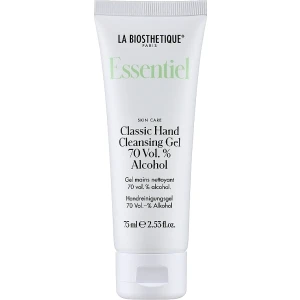


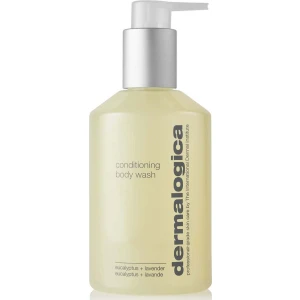


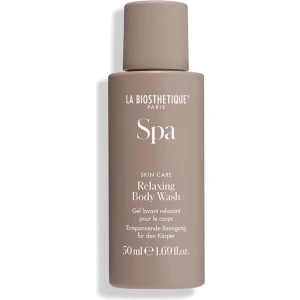
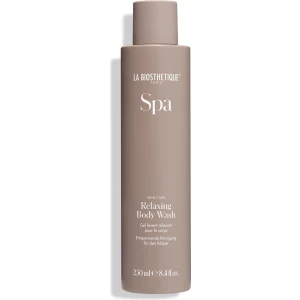


Gentle Body Cleansing: Gels, Soaps, Scrubs
Proper cleansing preserves the hydrolipid mantle and maintains the skin's physiological pH at 4.5-5.5. Aggressive surfactants, hot water, and improper washing techniques destroy the lipid barrier, causing transepidermal water loss, flaking, and folliculitis. It is important to choose the right cosmetics to prepare the skin for subsequent care — the application of serums and moisturizers.
Categories of Body Cleansing Products
Shower Gel
Gels contain surfactants that create lather and dissolve sebum, sweat, and urban dust. Brands offer several formats: classic gels, foams, cream-gels, and gel-oils. Classic gels are suitable for normal and oily skin, while cream-gels and gel-oils are essential for dry and dehydrated skin.
Choose a gel based on the type of surfactant: sulfate-free products cleanse more gently and do not provoke tightness.
Body Soap
Classic alkaline soap can destroy the acid mantle of the epidermis and cause a feeling of tightness. For body care, professional cosmetic soap with added vegetable oils, glycerin, or lanolin is suitable. These components compensate for lipid loss and leave a nourishing film on the skin.
Liquid soap with a neutral pH perfectly handles daily cleansing. A solid bar should be stored on a soap dish with drainage holes. Bar soap effectively removes impurities from the hands, feet, and areas with active sweating.
Body Scrub
Scrubs contain abrasive particles that mechanically remove dead skin cells and polish the skin's surface.
Apply the scrub to damp skin in circular motions once or twice a week.
Acid Body Exfoliant
Exfoliants dissolve the protein bonds between dead cells without mechanical friction:
- AHA acids work on the surface: glycolic acid penetrates deeper due to its small molecule, lactic acid additionally moisturizes, and mandelic acid acts gently.
- Salicylic acid (BHA) dissolves sebum inside the pores and reduces acne on the back and shoulders.
- PHA acids are suitable for sensitive skin because they do not penetrate the deep layers.
Body Gommage
Gommage contains plant enzymes — papain and bromelain — which break down the keratin of dead cells. It cleanses more gently than a scrub and leaves no micro-traumas.
The product is applied to the skin, left for a few minutes, and then rolled off or rinsed off with water without friction.
Gommage is suitable for sensitive skin, areas with rosacea, and for use before hair removal.
Choosing Cleansing Products by Skin Type
Dry and Atopic Skin
Use shower oils or mild cream-gels. Avoid sulfates and harsh surfactants that exacerbate dryness.
Oily and Acne-Prone Skin
Use gels with salicylic acid or sulfur to dissolve sebum plugs inside the pores. These ingredients suppress bacteria and reduce sebum production.
Keratosis Pilaris
Combine acid exfoliants to dissolve keratin plugs with gentle scrubs containing granules.
Sensitive Skin
Choose mild gels, mousses, enzyme gommages, and fragrance-free products. Avoid harsh washcloths and large abrasive particles that traumatize the epidermis.
Popular Ingredients in Body Cleanser Formulas
- Manufacturers add niacinamide to strengthen the barrier, even out skin tone, and regulate sebum. This ingredient reduces redness and lightens post-acne marks on the back and shoulders.
- Ceramides restore the lipid layer between cells and reduce transepidermal water loss. Manufacturers include them in shower formulas for dry and atopic skin.
- Salicylic acid penetrates the pores, dissolves sebum plugs, and relieves inflammation.
- Glycolic and lactic acids exfoliate dead skin cells, smooth skin texture, and give the skin a radiant glow. Brands add them to exfoliants to correct dullness and hyperpigmentation.
- Urea at a concentration of 3-5% moisturizes and softens rough areas — feet and elbows.
- Centella asiatica extract soothes irritation and accelerates regeneration. Suitable for sensitive and damaged skin.
- Panthenol heals micro-traumas and relieves the burning sensation after shaving or sun exposure. This ingredient is in high demand in shower gels for post-workout and post-beach use.
- Squalane softens the skin and does not clog pores because its structure is similar to skin sebum.
- Shea butter replenishes lipid deficiency and protects the skin from dryness.
- Prebiotics and postbiotics maintain the balance of the skin's microbiome and reduce the frequency of breakouts. Manufacturers add them to next-generation products for problematic skin.
- Vitamin C acts as an antioxidant, protects against free radicals, and gives the skin a radiant glow.
How to Properly Cleanse Body Skin
- Adjust the water temperature. Hot water strips the lipid layer and provokes dryness, so use comfortably warm water.
- Wet the skin thoroughly. Water activates the surfactants and ensures even distribution of the product over the body.
- Lather the product in your palms or on a washcloth. Lather distributes more evenly than concentrated gel and reduces product consumption.
- Cleanse the skin and rinse off the product completely. Residual surfactants on the skin cause itching, tightness, and clogged pores.
- Pat the skin dry with a towel without rubbing. Friction damages the steamed stratum corneum and causes irritation.
- Apply a moisturizer within a few minutes after showering. At this moment, the skin retains maximum water, and the cream locks the moisture into the stratum corneum.
- Extra step: exfoliate 1-3 times a week. Exfoliation removes dead skin cells and improves the penetration of moisturizing and active products.
What Not to Do
- Do not wash with water above 40°C: hot water strips the lipid layer and causes dryness.
- Do not combine an acid exfoliant and a scrub in the same procedure: this damages the lipid barrier.
- Do not scrub inflamed skin, sunburns, or fresh tattoos.
- Do not leave a wet washcloth in the shower: bacteria and mold thrive in a damp environment.
- Do not use antibacterial soap daily without a doctor's prescription: it destroys the skin's microbiome.
- Do not skip moisturizing after a shower: the skin loses unlocked moisture within an hour.
- Do not use a gel that has changed in smell, color, or texture: these signs indicate expiration.
Top Professional Brands for Body Cleansing Products
The Milfey online store features the best body cleansing products from premium cosmetic brands, including:
Where to Buy Body Cleansing Products
Premium body cleansing products are available at the Milfey online store with delivery across Europe. We guarantee 100% authenticity. You can ask a question about a product via:
- Phone: +34 669 993 294
- Email: info-shop@milfeybeauty.com
Disclaimer
- The effects mentioned are stated properties of cosmetic products.
- Results may vary depending on individual skin characteristics and consistency of use.
- Before using new products, it is recommended to consult a specialist.
Q&A
Why do breakouts appear on the back when using a non-comedogenic gel?
The reason might be the following: conditioner and hair mask residues run down the back when rinsing and clog pores. Wash your body after completely rinsing off hair products.
Why does the skin itch after a shower, even if the gel is moisturizing?
Hard tap water salts react with surfactants and form an insoluble micro-film on the skin, which causes itching. A shower filter or shower oil solves this problem.
What to do if a sticky film feeling remains after using the gel?
Reduce the product dosage and rinse it off with warm water until the lather completely disappears. Replace the gel with a cleansing cream or mousse without heavy oils and silicones if the problem persists.
Can shower gel be used as a bubble bath?
Gel creates lather in the bath, but it will be less lush and long-lasting. Specialized bath products contain more foaming agents.
Can you wash your hair with body gel?
The pH of the scalp differs from the body's pH, and gel bases do not dissolve dense sebum and styling residue. Regularly washing your hair with body gel will lead to dandruff and greasy roots.
How to eliminate the chlorine smell and dryness after the pool?
Take a shower immediately after the pool and wash off the chlorine with a mild gel. Apply a moisturizer with urea or ceramides.
Do 2-in-1 products, like "shampoo and gel", work?
Such products have a compromised pH and weak concentrations of active ingredients. They are suitable for travel, but do not solve the specific needs of body and scalp skin.
How to care for the skin after a sauna or bathhouse?
Rinse the skin with cool water to relieve overheating and tone the blood vessels. Apply a moisturizer immediately after the procedure, as high temperatures actively evaporate moisture.
Can you use acid gels in the summer?
Acids increase the skin's photosensitivity, so in summer, apply SPF to exposed areas after acid cleansing. Use these products in the evening.
How does shower oil differ from regular gel?
Oil cleanses gently and is more respectful to the skin's protective layer, making it suitable for very dry body skin. Gel emulsifies fats and requires more thorough moisturizing after rinsing.
Can body gel be used for intimate hygiene?
The pH of the intimate area is 3.8-4.4 and differs from the body's pH. Use specialized intimate hygiene products to avoid disrupting the local microflora.
Is it necessary to shower immediately after a workout?
Sweat creates an environment for bacteria to multiply and causes irritation, so take a shower within an hour after your workout.
In particularly severe cases of body acne or chronic dermatitis, consulting a dermatologist may be helpful.