Hair cleansing products


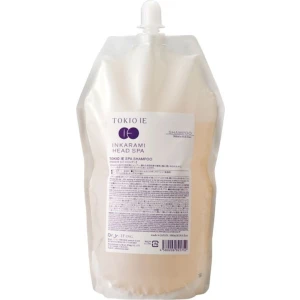
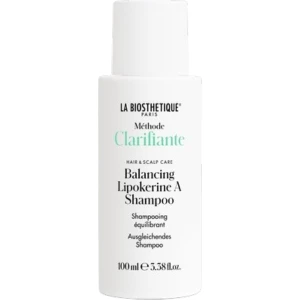
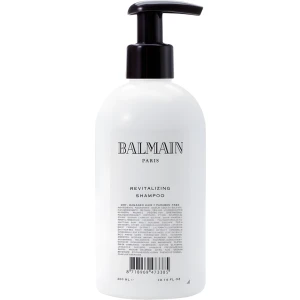
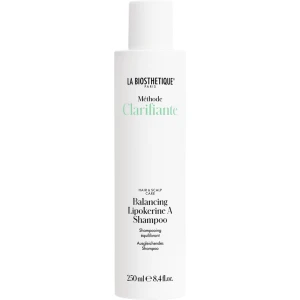
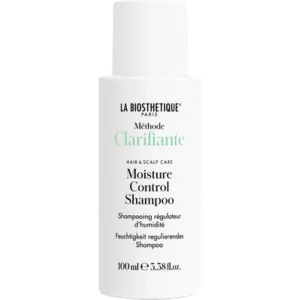
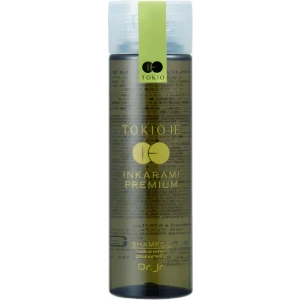
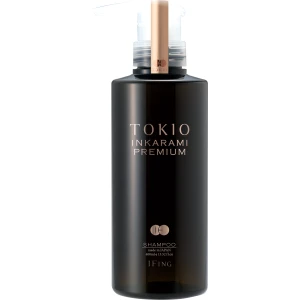
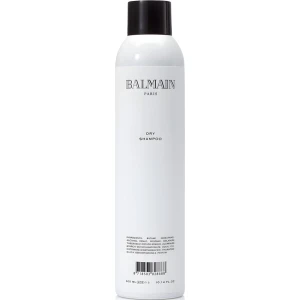
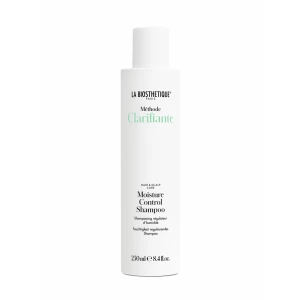
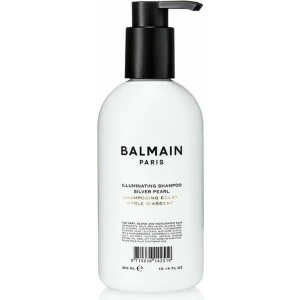
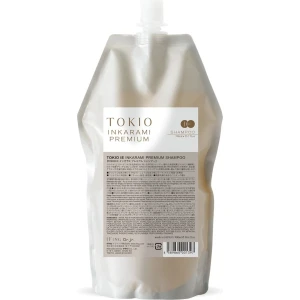
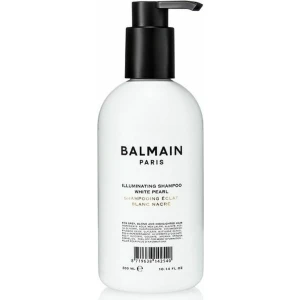
How to Cleanse Hair and Scalp
If your goal is healthy and beautiful hair, it is important to start with the root cause — the scalp.
Just as plants need the right soil to grow, hair depends on a healthy scalp to look strong and shiny. Scalp concerns can affect the overall appearance and condition of your hair.
A healthy scalp maintains a balanced sebum production, good circulation, and a strong skin barrier. It is not prone to excessive oiliness, dryness, itching, or flaking. A healthy scalp provides the ideal environment for hair growth, without clogged pores or product buildup.
Common signs of an unbalanced scalp include:
- Excessive dryness, itching, and flaking, which may indicate a compromised scalp balance due to insufficient hydration.
- Increased oiliness, which can lead to visible flakes, clogged follicles, and an environment that may affect scalp comfort.
- Irritation and sensitivity — redness, inflammation, and discomfort may be signs of scalp sensitivity that can impact hair condition.
- Visible flakes — white or yellowish particles that may affect the look and feel of the hair.
If you are concerned about persistent scalp issues, it is best to consult a dermatologist to rule out more serious conditions and find the right care plan.
Healthy Scalp Means Healthy Hair
Proper scalp care offers multiple benefits:
- Stronger hair — nourishing scalp treatments help support hair resilience from root to tip.
- Improved texture and shine — a healthy scalp helps hair retain moisture, leaving it softer, smoother, and more luminous.
- Reduced scalp concerns — maintaining scalp health can help minimise common issues such as flakes, itching, and excess oil.
- Regular scalp care also helps reduce product buildup from styling and care products, which can clog pores and affect hair growth, as well as cause tingling, irritation, or flaking.
A healthy, clean scalp is the foundation for beautiful, thriving hair.
Ways to Improve Scalp Health
1. Cleanse your scalp regularly
Sebum and styling products can accumulate on the scalp, disrupting its balance. Regular washing helps prevent buildup.
How often you wash depends on your hair type and lifestyle:
- Fine and oily hair may need more frequent washing than dry, thick, or textured hair.
- If you exercise daily or use dry shampoo between washes, buildup may occur more quickly.
The key is not to overwash, as this can worsen scalp dryness.
2. Care for your scalp
Choose hair care products with the right ingredients. Beneficial ingredients for scalp health include those that gently exfoliate and reduce dead cell buildup, such as protective antioxidants like green tea extract and ginseng, as well as conditioning ingredients like ginkgo biloba and panthenol.
Support your scalp with high‑quality shampoos, cleansing creams, conditioners, and other targeted treatments.
How to Choose Cleansing Based on Scalp and Hair Type
Your hair will tell you when it needs washing. If it looks dull, greasy, or you feel scalp itching, it is time to use your favourite shampoo. Choosing the right cleanser based on your scalp and hair type, and using the correct technique, will help maintain balance, shine, and manageability.
Choose the Right Shampoo for Your Hair and Scalp
Before focusing on technique, it is important to select the right product. Different scalp and hair types require different formulas:
- For oily scalp — choose a shampoo that effectively removes excess sebum while maintaining balance and freshness.
- For dry scalp — opt for hydrating or soothing formulas.
- For colour‑treated hair — use a sulfate‑free shampoo that gently cleanses, preserving colour vibrancy and preventing premature fading.
- For sensitive scalp — choose mild, dermatologically tested cleansers.
- For fine or straight hair — a lightweight formula helps avoid weighing hair down.
- For thick, curly, or coarse hair — additional nourishment may be beneficial.
Choosing the right shampoo supports effective cleansing without disrupting balance. If the formula does not match your needs, even perfect technique will not give optimal results.
How Often to Wash Your Hair
The frequency of washing is important for keeping shampoo effective. There is no universal rule. Generally, it is recommended to wash hair 2‑3 times a week, depending on scalp type, lifestyle, and environmental exposure.
Hair care should match your individual needs:
- Oily scalp — wash more often.
- Dry scalp — wash less frequently.
- Normal scalp — wash as needed.
- Textured hair — 1‑2 times a week.
More frequent washing may be necessary for those with an active lifestyle or living in humid climates.
If you have colour‑treated or bleached hair, specialised shampoos can help maintain colour brightness and/or add the desired tone (e.g., cool for blondes, warm for brunettes).
Washing too often can strip natural oils, while washing too infrequently can lead to buildup. Finding the right balance is key.
Hair Washing Technique
Shampoo is designed to remove dirt, excess sebum, sweat, product residue, and environmental pollutants. However, incorrect washing technique can disrupt the scalp's natural balance. Overwashing can lead to dryness, while insufficient cleansing may leave product residue on the hair.
Learning the correct washing technique will help keep the scalp clean and hydrated, and help hair better absorb conditioner and other care products.
How to Apply Shampoo Correctly
- Before showering, take a moment to detangle your hair. Use a wide‑tooth comb or a soft‑bristle brush. Start brushing from the ends and work your way up to avoid damage. Brush (or section) your hair in the same direction you plan to wash it. If you plan to wash with your head upside down, comb it in that position.
- Before washing, make sure the water is not too hot or too cold. Warm water is best — it helps open the hair cuticles for better cleansing without causing damage.
- Wet your hair thoroughly. Enough moisture helps distribute shampoo evenly.
- Put a small amount of shampoo in your palm and rub your hands together to create a lather. This ensures even application.
- Apply shampoo starting at the roots, allowing the lather to flow down to the ends without rubbing them. This way you effectively cleanse the scalp without damaging the lengths.
- Use your fingertips to massage the scalp in circular motions to improve circulation and remove product residue without irritation. This is also very relaxing and may support healthy hair growth!
How to Rinse Hair Properly
Incomplete rinsing leaves product residue on the hair, which can cause dullness and itching:
- Use warm water and make sure all areas, especially behind the ears and at the nape, are thoroughly rinsed.
- Continue rinsing until the water runs completely clear and the hair feels clean (but not "squeaky" clean).
- For best results, apply shampoo and rinse again with cool water — this hack helps seal the cuticles and adds beautiful shine!
Proper rinsing enhances the effect of shampoo and prepares the hair for conditioner and other products. If residue remains, even high‑quality products cannot work effectively.
Common Hair Washing Mistakes
- Hot water strips natural oils and can cause dryness or irritation.
- Scrubbing with fingernails — this can lead to micro‑injuries on the scalp.
- Not rinsing thoroughly enough — shampoo residue can weigh hair down and affect scalp health.
- Overusing dry shampoo instead of washing — while convenient, frequent use of dry shampoo does not replace a proper wash and can lead to product buildup.
Top Professional Brands for Hair Cleansing Products
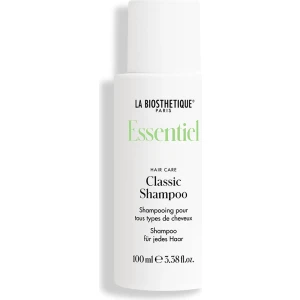
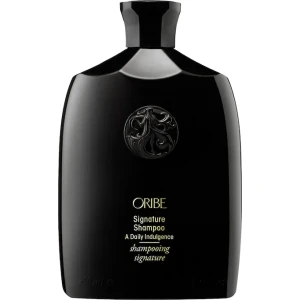
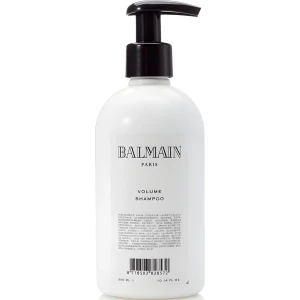
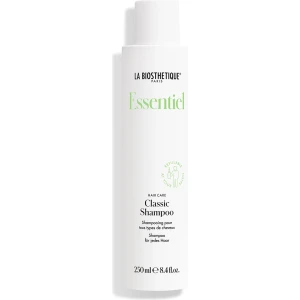
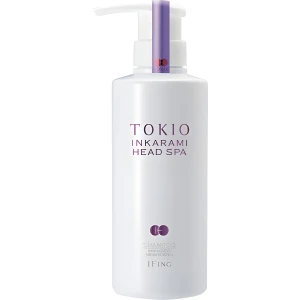
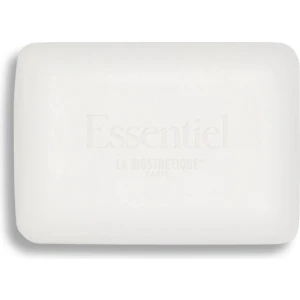
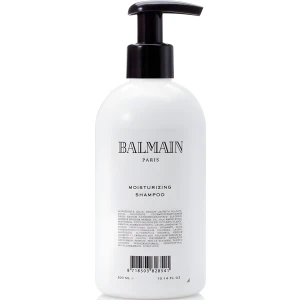
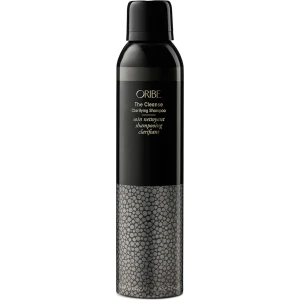
The Milfey online store features the best products from premium cosmetic brands, including:
Where to Buy Hair Cleansing Products
Premium hair cleansing products are available at the Milfey online store with delivery across Europe. We guarantee 100% authenticity. You can ask a question about a product via:
- Phone: +34 669 993 294
- Email: info-shop@milfeybeauty.com
Disclaimer
- The effects mentioned are stated properties of cosmetic products.
- Results may vary depending on individual skin characteristics and consistency of use.
- Before using new products, it is recommended to consult a specialist.
Q&A
What is the best way to apply shampoo?
Apply the product to thoroughly wet hair, focusing on the scalp. Gently massage and rinse thoroughly.
Do I need to wash my hair twice?
If your hair is heavily soiled, you may wash it twice. In most cases, one wash is sufficient.
How much shampoo should I use?
One of the most common mistakes is using too much product. More shampoo does not mean cleaner hair — in fact, it can lead to residue and make rinsing harder.
Using the right amount improves washing efficiency and reduces product waste.
Remember that shampoo is primarily for the scalp. The lather created during rinsing will cleanse the lengths without additional product.
Do I need to rinse shampoo with cold water?
It is not necessary, but cool water can help make hair smoother and shinier.
Does water hardness affect washing frequency?
Hard water can indeed affect hair, often leaving it feeling dehydrated and dull. If your hair is naturally dry and needs extra hydration, try a nourishing shampoo to replenish moisture and restore damaged, brittle hair.
How can I extend time between washes?
To wash less frequently, use dry shampoo. It absorbs excess oil and adds volume without water.
How often should I wash curly hair?
The frequency depends on scalp and hair needs. Washing every other day or every 2‑3 days is usually sufficient.
Which shampoo is best for curls?
Curly and wavy hair is often highly porous, meaning it absorbs moisture and products easily but struggles to retain them. Rich, nourishing shampoos with ingredients that help hold nutrients in the hair structure work well.
Sulfate‑free, low‑foaming or non‑foaming shampoos with enhanced conditioning properties are also good choices.
However, the scalp occasionally needs to be cleansed of the residue left by these moisturising and nourishing ingredients.
What is the difference between shampoo and co‑washing?
The purpose of shampoo is to remove oil and impurities from hair and scalp. Shampoos contain stronger anionic surfactants that create lather.
Co‑washing uses conditioner instead of shampoo, designed to reduce dryness, prevent breakage, and hydrate hair. Conditioners contain cationic surfactants that do not lather; instead, they coat the hair surface.
