Hand cosmetics


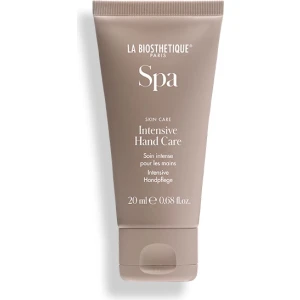
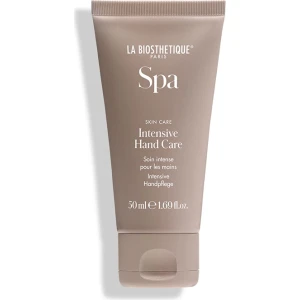


Hand Cosmetics
Our hands face aggressive environmental factors daily, which is why they are particularly vulnerable. Without proper care, the skin on the hands ages faster than on other parts of the body.
Here are the main signs of age-related changes and the reasons for their appearance:
1. Dryness and Cracks
The skin on the hands loses moisture rapidly due to office air conditioning, sudden temperature changes, or cold weather. As a result, flaking and a feeling of tightness appear, and in severe cases, painful cracks.
2. Premature Aging
Ultraviolet light harms not only the face: prolonged exposure to sunlight provokes wrinkles, age spots, and decreased elasticity on the skin of the hands, just as it does on other exposed areas of the body.
3. Increased Sensitivity and Dermatitis
Frequent hand washing, harsh soaps, and dirt disrupt the skin's natural protective barrier. This leads to irritation, hypersensitivity, and even dermatitis.
4. Disruption of Water Balance
Even high humidity does not save the skin of the hands from dehydration. Regular washing and treatment with antiseptics remove the natural lipid layer, causing moisture to evaporate faster and leaving the skin dry.
5. Weak Nails and Cuticles
Brittle nails and dry cuticles are one of the most noticeable signs of age-related changes. This is partly due to the natural loss of calcium, but temperature fluctuations and contact with chemicals accelerate the process, worsening the appearance of the hands.
Beautiful and healthy hands and nails are the result of thoughtful and regular care. It includes gentle washing, timely moisturizing, and the use of suitable products: cream, nail oil, and scrub (the latter from time to time).
How to Slow Down Hand Skin Aging: A Simple Daily Beauty Routine
To keep your hands youthful, you don't need a complex multi-step routine. The main thing is consistency. We offer a basic ritual that is easy to fit even into a busy schedule.
- Daily moisturizing. Use a hand cream with shea butter, hyaluronic acid, or hydrolyzed collagen: these ingredients retain moisture, increase elasticity, and reduce wrinkles. Keep the cream handy—on your desk or in your bag—to reapply throughout the day.
- Sun protection. Apply a product with SPF to your hands: this will prevent photoaging, pigmentation, and fine wrinkles. By the way, shea butter contains cinnamic acid, which provides light natural protection against ultraviolet rays.
- Gentle cleansing. Choose moisturizing soap without fragrances and wash your hands with warm, not hot, water: high temperatures destroy the protective lipid layer.
- Weekly exfoliation. 1-2 times a week, use a gentle hand scrub: it removes dead skin cells, making the skin smoother and more radiant, and also improves the absorption of care products.
- Protection. Wear gloves while cleaning, as well as in cold or windy weather: this will protect the skin from damage, dryness, and irritation.
- Nail and cuticle care. Regularly apply cuticle oil: this will make your nails stronger and the skin around them softer and healthier.
Which Hand Products Really Work
- Moisturizing hand creams. Look for formulas with shea butter, hyaluronic acid, or glycerin: they provide deep and long-lasting hydration.
- Hand masks. An excellent option for weekly intensive care: they restore comfort and a healthy look to the skin after stress.
- Exfoliating scrubs. Gentle scrubs even out skin texture and prepare it for better absorption of active ingredients.
- Cuticle oils. Strengthen the nail plate and prevent hangnails and peeling.
- Sunscreen hand creams. A mandatory step for preventing pigmentation and wrinkles caused by ultraviolet light.
- Antibacterial hand washes. Choose options with moisturizing ingredients: they cleanse without destroying the skin's protective barrier.
Why It Is Important to Understand the Composition of Hand Cosmetics
Many products rely on marketing phrases like "super hydration" or "instant effect" but do not deliver real results. Understanding how active and functional ingredients work helps you cut out the excess and choose a formula that will actually work.
The effectiveness of a hand product depends on the synergy of ingredients, not on a single "star" ingredient. Look for formulas where humectants, emollients, and occlusives work together: they attract moisture, soften the skin, and lock it in.
This comprehensive approach provides not temporary superficial relief, but a long-lasting effect. In addition, knowing which ingredients are best to avoid—such as denatured alcohol or synthetic fragrances—helps prevent irritation, especially if you have sensitive skin.
Key Ingredients to Pay Attention To
When studying a cream label, focus on scientifically proven ingredients based on your needs:
- Hyaluronic acid is a powerful humectant that attracts moisture from the air into the skin. Ideal for dehydrated skin: it smooths fine lines and increases elasticity.
- Glycerin is another top-tier humectant: it attracts water to the epidermis. It is gentle, non-comedogenic, and often found in medical-grade products.
- Shea butter is a rich emollient rich in fatty acids and vitamins A and E.
- Ceramides are lipids naturally present in the skin that help maintain its protective barrier. By replenishing them, you reduce transepidermal water loss and prevent irritation.
- Petrolatum (Vaseline) is an occlusive ingredient that creates a protective layer and locks in moisture. Especially effective for nighttime treatments or severe dryness.
- Niacinamide reduces redness, strengthens the protective barrier, and improves skin texture. Suitable for inflamed and reactive skin.
- Vitamin E is an antioxidant that neutralizes free radicals from UV exposure and pollution, and also supports recovery processes.
- Lactic acid or urea are gentle exfoliants that dissolve dead skin cells and make the skin of the hands smoother. Especially useful for thickened and rough areas.
Each of these ingredients performs its own function: humectants attract water, emollients fill the gaps between skin cells and smooth it, and occlusives create a barrier to prevent moisture from evaporating. The best hand creams combine at least two of these types of ingredients for comprehensive care.
How to Choose Ingredients for Your Skin Type
Skin type should determine your priorities when choosing ingredients. Here is how to select a formula for your needs:
- Dry or very dry skin. Focus on rich emollients—shea butter, lanolin, or squalane—combined with occlusive ingredients like petrolatum or dimethicone. Look for wording on the packaging like "intensive repair" or "barrier repair." Avoid alcohol-based formulas, as they can worsen flaking.
- Sensitive skin. Choose fragrance-free, hypoallergenic creams with soothing ingredients: colloidal oatmeal, allantoin, or bisabolol. Ceramides and glycerin will provide hydration without the risk of irritation. Test the product on a small area of skin before full use.
- Mature skin. Focus on antioxidants (vitamin C, vitamin E, green tea extract) and peptides to combat signs of aging. Hyaluronic acid helps restore volume, and retinol derivatives (like retinyl palmitate) improve texture—but use them with caution during the day due to increased sun sensitivity.
- Skin with a compromised barrier. You need formulas with ceramides, panthenol (provitamin B5), and dimethicone to enhance protection.
Remember that skin needs change depending on the season: in summer, you can use a light glycerin-based lotion, and in winter, switch to a richer formula with shea butter and petrolatum.
Ingredients Best Avoided
Even if a cream smells nice and is beautifully packaged, some ingredients can be harmful, especially with regular use. Try to avoid alcohols, synthetic fragrances, parabens, artificial dyes, SLS, and SLES.
Always check the full ingredient list (INCI) rather than relying solely on the claims on the front of the packaging.
Common Mistakes When Choosing Hand Cosmetics and How to Avoid Them
- Prioritizing fragrance over composition. A lavender cream may seem luxurious, but fragrances are the main cause of contact dermatitis on the hands. For daily care, choose fragrance-free options, and save scented products for rare occasions if your skin tolerates them.
- Using body lotion instead of hand cream. The skin on the hands is thinner and subjected to more stress than body skin. Body lotions often lack enough occlusive ingredients to handle frequent washing. It is better to use a specialized hand cream with a higher lipid content.
- Ignoring application time. If you only apply cream at night, you miss important opportunities. Reapply a layer after every hand wash. Keep small tubes in your bag, car, and on your desk.
- Assuming natural is always safe. Natural ingredients like tea tree oil or lemon extract can severely irritate the skin. Always check for individual tolerance, especially with plant-based active ingredients.
- Ignoring sun protection. The skin on the back of the hands quickly shows signs of photoaging. For daytime use, choose a hand cream with SPF 15 or higher, or apply sunscreen on top. Zinc oxide-based formulas provide broad protection without a sticky feel.
Where to Buy Hand Cosmetics
Premium professional hand care is available at the Milfey online store with fast delivery across Spain and Europe. We guarantee 100% authenticity of every item. You can ask a question about a product or request a personalized consultation via:
- Phone: +34 669 993 294
- Email: info-shop@milfeybeauty.com
Disclaimer
- The effects mentioned are stated properties of cosmetic products.
- Results may vary depending on individual skin type and consistency of use.
- Before using new products, it is recommended to consult a specialist.
Q&A
What causes dry skin on the hands?
- Weather changes. Living in a cold climate can lead to dry skin. Conversely, living in a hot climate with regular sun exposure can accelerate hand skin aging, leading to tanning and dehydration.
- Unsuitable cosmetics. Using drying soaps or detergents can lead to dry hands, as these products disrupt the skin's pH balance and irritate its protective barrier.
- Excess heat. Long hot showers or placing a heater too close to the skin can cause dehydration and lead to dry skin.
- Health issues. Sometimes dry hands can be caused by a medical condition. For example, skin diseases such as dermatitis, eczema, and psoriasis often lead to inflammation and dryness of the affected areas of the body.
How to properly cleanse hand skin?
Regular hand washing helps prevent the spread of germs and bacteria. But too frequent procedures can strip the skin of its natural oils, making it dry and irritated. To avoid this, follow simple rules:
- use mild soap;
- do not wash your hands with hot water—it dries the skin more.
How often to apply hand cream?
To keep your hands soft and well-groomed, you need to use cream constantly. The basic rule is to apply the product at least once a day before bed. If the skin is particularly dry, do it more often.
It is also important to apply cream immediately after washing your hands: at this moment, the skin loses moisture and needs protection the most. Another effective trick is to apply cream before bed and wear cotton gloves. This way, the product absorbs better, and the skin receives maximum hydration overnight.
Regular care is important, but moderation is also needed here. If you apply too much cream, the skin can become overly greasy. In addition, excessive use of products sometimes leads to the skin retaining moisture less effectively on its own.
Why do palms become greasy after hand cream?
Nourishing hand creams contain ingredients that restore dry and damaged skin, which is why they have a thick consistency. To get rid of the greasy feeling, you can gently blot your palms with a soft cloth to remove excess product, or apply such hand cream before bed.
How does hand cream differ from lotion?
The difference lies in the texture, composition, and tasks.
- Hand cream is thicker, oil-based: it provides deep hydration.
- Lotion is light, water-based: it absorbs quickly and is suitable for daily care.
How to read a hand cream label?
In cosmetic products, ingredients are listed in descending order of concentration—the first 5 usually make up the bulk of the formula. Start with them. If water (aqua) is first, it is likely a light lotion; if shea butter or petrolatum is listed first, it is a richer balm.
Pay attention to the following labels:
- Dermatologically tested.
- Fragrance-free (not to be confused with "unscented": masking fragrances may be added to such products).
- Non-comedogenic.
- Cruelty-free or Leaping Bunny certified.
Also consider the presence of preservatives. They are necessary to prevent the growth of microorganisms, but it is better to choose milder options like potassium sorbate or sodium benzoate instead of formaldehyde-releasing ingredients (such as DMDM hydantoin).