Lip Care Cosmetics
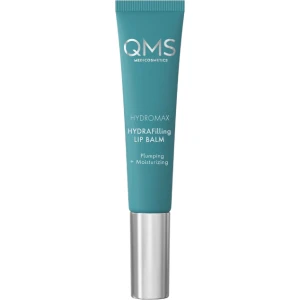
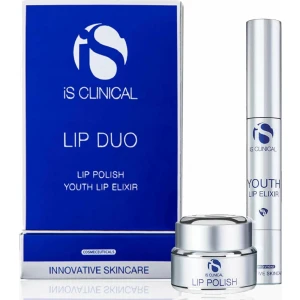
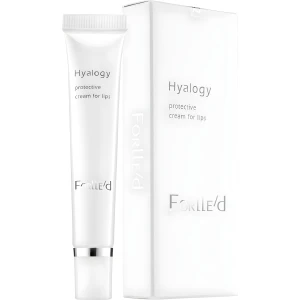
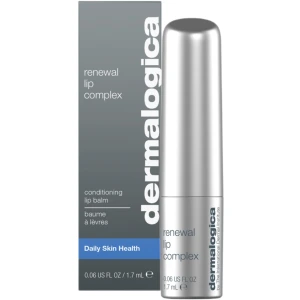
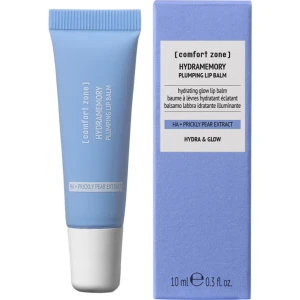
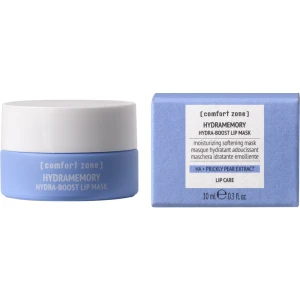
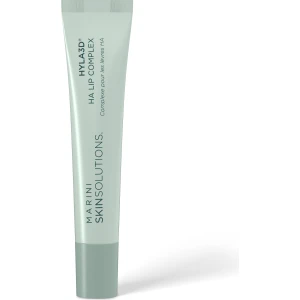
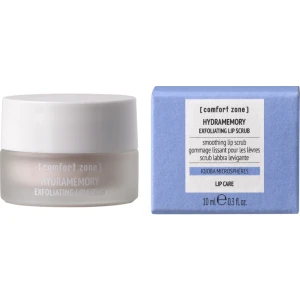
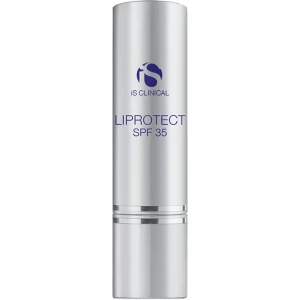
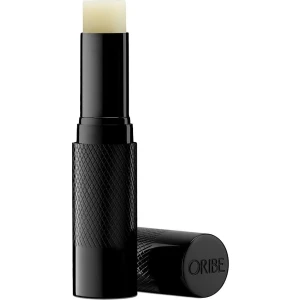
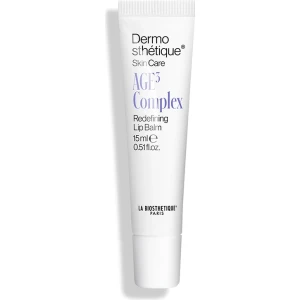
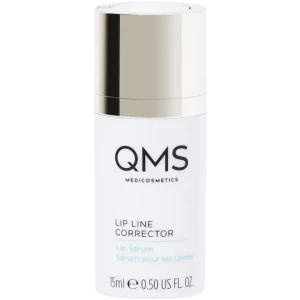
Lip Care Products
The lips are covered with particularly thin and sensitive skin, rich in nerve endings. This skin is constantly exposed to air, pollutants, and weather conditions, making it especially vulnerable. The structure of the lips consists of three main components:
- Thin epidermis — this upper layer of lip skin is significantly thinner than on other areas of the face. As a result, the deeper layers are also exposed to environmental factors such as UV rays, adverse weather, and pollutants.
- Absence of sebaceous glands — unlike other areas of facial skin, the lips lack sebaceous glands that produce natural oil to hydrate and protect the skin. This makes the lips more prone to dryness and chapping, highlighting the need for external hydration.
- Rich blood supply — the lips have a dense network of blood vessels, which gives them their characteristic reddish colour. This also means the lips are more sensitive and prone to irritation.
Causes of Lip Skin Concerns
Internal factors include:
- dehydration;
- vitamin and iron deficiencies;
- allergic reactions;
- and certain health conditions.
A specialist can help identify and address these risks.
External factors include:
- Unfavourable weather — wind, frost, and dry indoor air from heating or air conditioning all dehydrate the lip skin. Unlike facial skin, the lips lack sebaceous and sweat glands, meaning they have no natural protective barrier.
- UV exposure — the sun dries out delicate skin and accelerates photoaging. Chronic unprotected UV exposure can lead to dryness, vertical lip lines, or more serious concerns.
- Lip licking habit — this is one of the most common and deceptive factors. Saliva contains digestive enzymes that break down the already thin protective barrier of the lips. The moisture from saliva evaporates quickly, leaving the skin even drier. Biting the lips is also harmful, as it causes micro-cracks.
- Unsuitable cosmetics — long‑lasting matte lipsticks can tighten the skin, and some balms contain ingredients that trigger dependency or increase dryness (such as menthol, camphor, and phenol). These provide a cooling sensation but irritate and dry out the skin. Whitening toothpastes can also irritate the lips.
Lip concerns caused by external factors can be easily managed at home by adjusting habits and choosing appropriate lip care products.
Common Lip Skin Concerns
1. Dryness and Cracking
The lips are particularly prone to dryness due to constant environmental exposure, as well as lifestyle, diet, alcohol, and caffeine consumption (which cause dehydration). For some people, these symptoms persist year‑round regardless of external factors.
2. Chapping
Due to the thin epidermis and lack of sebaceous glands, the lips are at risk of chapping. Regular lip care, including moisturising and protective treatments, helps prevent these issues and keeps the lips soft and supple.
3. Fine Lines
One of the main causes of fine lines around the lips is sun exposure. The skin on the lips is very delicate and often left unprotected. Lines can also appear due to the habit of pursing the lips or repetitive facial movements.
4. Lip Ageing — Loss of Volume, Colour Fading, Downturned Corners
As with the rest of the skin, ageing affects lip volume, causing once‑full lips to become thinner, drier, and less pigmented over time. Lip volume decreases, the contour becomes less defined, and the corners of the mouth may turn downward. Excessive sun exposure, genetics, and smoking can significantly accelerate this process.
5. Breakouts on the Lips
Breakouts around the lips are often mistakenly linked to hormones or internal causes. In practice, they are frequently caused by low‑quality ingredients in cosmetics or toothpaste. They may also be triggered by:
- comedogenic lip products (such as lip liners) or skincare products;
- bacterial or yeast imbalance;
- product buildup;
- insufficient hygiene.
This area is highly sensitive to pore‑clogging ingredients, so lip care should be simple, non‑comedogenic, and regular.
3 Steps to Perfect Lips
Daily lip care is a simple yet effective way to maintain their health and beauty.
A comprehensive lip care routine includes exfoliation, hydration, and protection from adverse external factors.
Step 1. Lip Exfoliation
The skin on the lips is thinner and more delicate than on other areas of the body, making it prone to dryness and damage. Using exfoliating products can significantly improve the condition of the lips by:
- removing dead skin cells;
- helping prevent blackheads;
- improving texture;
- keeping the lips hydrated, smooth, and soft.
Since the skin on the lips is thinner than on other parts of the body, exfoliation should never be aggressive.
Professional tips:
- Use a gentle lip cleanser to remove impurities. This step prepares the lips to absorb beneficial ingredients.
- Apply the scrub and gently massage the lips in circular motions for 30 seconds. Rinse off the residue with warm water.
- Exfoliate 1‑3 times per week to keep the lips baby‑soft.
Step 2. Deep Hydration to Prevent Lip Dryness
The thin skin of the lips lacks sebaceous glands, making them prone to dryness and chapping. This step is like a drink of water for your lips — essential for keeping them plump and healthy.
Lip moisturisers:
- A good lip balm locks in moisture and protects the lips. Choose a high‑quality formula with nourishing ingredients such as beeswax, shea butter, almond oil, or vitamin E. Apply generously, especially after exfoliating. For intensive hydration, apply a thicker layer before bed to allow the product to work overnight, leaving your lips soft and renewed by morning.
- Alternatively, use a lip mask for very dry and cracked lips. While you sleep, the mask works to retain moisture and restore lip plumpness. Apply a generous layer before bed and leave it on overnight. In the morning, gently remove any excess.
- Choose serums enriched with hyaluronic acid, centella asiatica, or ceramides. These ingredients are found in the best lip care products because they deliver moisture deep into the skin and help restore the lip barrier.
- A lip cream offers comprehensive action — it not only maintains the skin's water balance but also nourishes, improves elasticity, enhances texture, visually increases volume, and soothes irritation.
Step 3. Protection from Sun, Wind, and Cold
Sun, frost, and wind can negatively affect the condition of your lips. Here are some recommendations for protecting lip skin from external factors:
- When spending extended time outdoors, always use a product with SPF, even on cloudy days. Apply balm or a stick at least 20 minutes before going outside.
- Choose a lip balm or lipstick with broad‑spectrum SPF 30 or higher and reapply every two hours, or more often if you have eaten or drunk. This simple step helps preserve the natural colour of your lips, prevent sunburn, premature ageing, and the appearance of fine lines.
- In cold or windy weather, a rich balm, stick, or moisturising lip oil can create a protective barrier to prevent moisture loss.
Additional Anti‑Ageing Lip Care
Effective anti‑ageing care targets collagen loss, volume reduction, and vertical lip lines.
To restore a youthful appearance to the lips, choose targeted serums and balms with active ingredients:
- peptides — to help support collagen production;
- hyaluronic acid — for deep hydration and a plumping effect;
- antioxidants — for protection against environmental stressors.
A comprehensive anti‑ageing lip care routine includes the following practical steps:
- Gently exfoliate the skin — use a physical or enzyme scrub 1‑2 times per week to remove dead skin cells and improve circulation.
- Layer your products — as with facial skincare, start with a water‑based hydrating serum, then apply a peptide‑rich lip cream, and seal with a protective balm.
- Protect lips from the sun — UV exposure is one of the main causes of lip wrinkles. Always use a lip balm with SPF during the day.
- Pay attention to the lip contour — vertical lines around the mouth require special care. Apply anti‑ageing serums or creams to the lips and the eye area, extending slightly beyond the lip border.
A Complete Lip Care Routine
- Daytime care — apply a lip balm with SPF, beeswax, coconut oil, or shea butter.
- Evening care — before bed, apply a thick layer of moisturising balm or a mask with hyaluronic acid, vitamin E, or peptides. This helps retain moisture overnight, allowing the lips to recover and rejuvenate.
- Weekly treatments — include hydrating masks with honey, aloe vera, or glycerin, as well as gentle scrubs for renewal.
- To address fine lines or discolouration, use products with collagen or antioxidants.
Seasonal Lip Care
- Winter — protect against harsh cold and dry indoor air. Use a lip balm with SPF and natural emollients, and gently exfoliate before applying nourishing balms containing hyaluronic acid or glycerin.
- Summer — sun protection is essential. Use lip balms with broad‑spectrum SPF 15 or higher to prevent skin damage and premature ageing.
- Transitional seasons — require adjustments: spring calls for exfoliating and antioxidant treatments, while autumn demands enhanced hydration to prepare the lips for the colder months.
To maintain the health and beauty of your lips, a comprehensive approach is essential, including proper exfoliation, daily hydration, protection, and seasonal adjustments. By incorporating scrubs, balms, creams, and specialised products into your routine, you can keep your lips soft, smooth, and healthy all year round. Consistency and attention to specific concerns will help preserve their health and beauty.
Top Professional Brands for Lip Care
The Milfey online store features the best products from premium cosmetic brands, including:
Where to Buy Lip Care Products
Premium lip care products are available at the Milfey online store with delivery across Europe. We guarantee 100% authenticity. You can ask a question about a product via:
- Phone: +34 669 993 294
- Email: info-shop@milfeybeauty.com
Disclaimer
- The effects mentioned are stated properties of cosmetic products.
- Results may vary depending on individual skin characteristics and consistency of use.
- Before using new products, it is recommended to consult a specialist.
Q&A
Why do lips need special attention?
Unlike other areas of the skin, the lips lack sebaceous glands and cannot produce natural oil for hydration. This makes them vulnerable to adverse environmental factors such as cold, wind, and dry air. Lifestyle habits, such as smoking and excessive caffeine consumption, can also contribute to dryness, cracking, and discolouration.
How to choose the right lip care?
To ensure optimal lip care, it is not enough to simply apply a regular lip balm. It is important to choose products that offer both protection and hydration.
For effective results, look for products with ingredients such as hyaluronic acid and panthenol.
It is worth noting that many lip balms have only occlusive properties, meaning they create a barrier on the skin without providing any additional benefits. To keep lips healthy in the long term, it is recommended to apply moisturising products underneath balms. This approach not only protects the lips from adverse weather conditions but also supports their recovery, keeping them soft and supple.
For delicate, dry lips, regular removal of dead skin cells is important to maintain smoothness and improve the absorption of moisturising products. For this purpose, you can use a lip scrub or gently exfoliate the skin once a week with a soft cloth.
Additionally, do not forget to protect the lips from UV rays, as they are thinner and more vulnerable than other areas of the face. Choose lip balms and creams with SPF to protect them year‑round.
How to properly hydrate the lips?
Apply a thick layer of lip balm before bed! This allows the lips to fully absorb the product and hydrate overnight. Use lip moisturisers whenever you feel your lips becoming dry.
Why do lips become dry in summer? How to fix it?
Common signs of a reaction to weather or dehydration include:
- dryness and mild flaking that subsides after applying balm;
- absence of pain, itching, or burning;
- improvement in skin condition with adequate hydration and protection.
What to do:
- Look for moisturising and protective ingredients in lip products: panthenol, hyaluronic acid, squalane, ceramides, shea butter, vitamin E, beeswax. Avoid products with menthol, camphor, phenol, or harsh fragrances.
- Temporarily avoid scrubs and peels for the lips, as they can further irritate dry skin. Avoid matte lipsticks and tints during the recovery period, as they can be drying.
- Do not rub the balm into the lips; instead, apply it with gentle patting motions to avoid further trauma to the already delicate skin. Apply the product not only before going outside but also at home.
- At night, apply a thicker layer of balm or a specialised overnight lip mask or cream. The skin actively recovers at night, and additional nourishment during this period is particularly effective.
What to avoid:
- Licking and biting the lips — saliva enzymes break down the barrier, and mechanical damage can lead to cracks and irritation.
- Picking at flakes or scabs — this can cause micro‑wounds, bleeding, and potential infection.
- Using irritating balms — products with menthol or camphor provide a temporary cooling sensation but can worsen dryness in the long term.
- Applying alcohol‑based products — alcohol dehydrates the already vulnerable lip skin.
- Using aggressive scrubs and peels — during periods of acute dryness, mechanical exfoliation can further traumatise the skin. Wait until the lips have recovered before using gentle enzyme or sugar scrubs.
- Using matte lipsticks and long‑lasting tints — matte textures can be drying, and long‑lasting tints often require harsh removal. During the recovery period, opt for hydrating balms, lip oils, and tinted lip balms.
- Skipping sun protection — UV exposure dries out the lips and accelerates photoaging. Without SPF protection, the problem will persist. Use lip balms with SPF15‑30 year‑round, not just in summer.
How to adapt lip care to winter and cold weather?
Cold weather and indoor heating can cause lips to lose moisture. Use a rich, emollient lip balm with ingredients such as shea butter and beeswax to create a protective barrier against harsh conditions.
Before bed, apply a thicker layer of lip balm or a hydrating lip mask. This overnight recovery helps replenish moisture lost during the day.
Once a week, use a gentle lip scrub to remove flaking caused by cold weather, then apply a moisturising lip balm to lock in hydration.
How to care for severely cracked lips?
For severely chapped lips, apply a thick layer of a healing balm or lip mask containing lanolin or petrolatum. Avoid licking your lips and ensure they do not dry out further. If the condition persists, consult a dermatologist.
Why do lips remain dry even after using balm?
Many lip balms use waxes that create a temporary coating. This may temporarily improve the condition of the lips but does not contribute to long‑term hydration. Choose high‑quality, trusted cosmetic products.
What to do if lips are severely chapped?
In cases of severe chapping, intensive hydration with hyaluronic acid or shea butter is recommended. If dryness persists despite various treatments, consult a dermatologist for professional care options.
Lip skin has darkened. What to do?
Lip pigmentation can be addressed with brightening ingredients such as vitamin C, niacinamide, or kojic acid. To prevent further darkening, use lip balms with SPF and avoid excessive sun exposure.