Men's face care

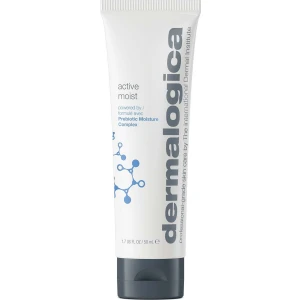
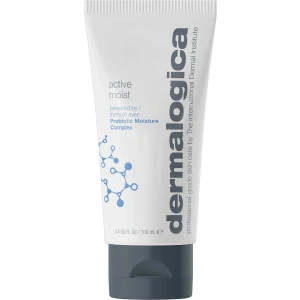
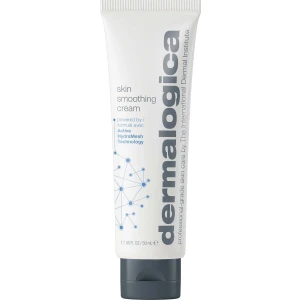
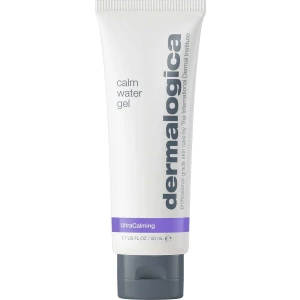
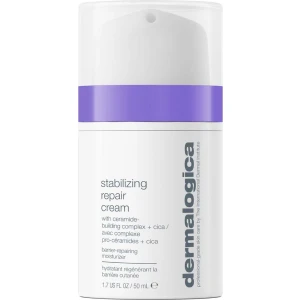
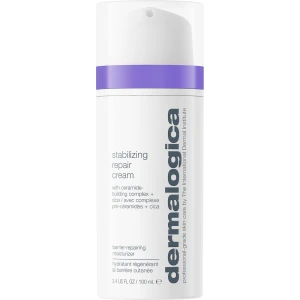
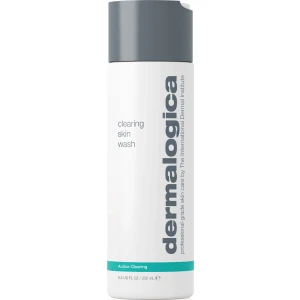
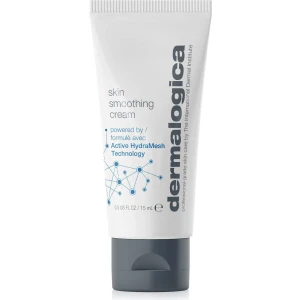
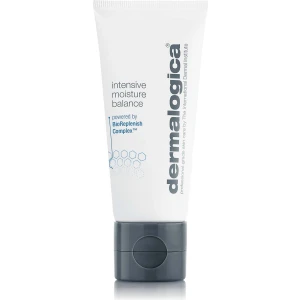
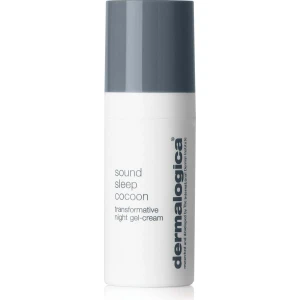
Skincare for Men
Men's skin has unique characteristics that require a fundamentally different approach to care compared to women's. Leading men's grooming brands take these specific needs into account, shaped by:
- a denser epidermal structure,
- increased sebaceous gland activity,
- regular mechanical stress from shaving,
- and hormonal balance.
Today, men's facial skincare includes a wide range of categories, each designed to address a specific concern — from daily cleansing and protection to intensive anti-aging treatment.
Unlike their female-oriented counterparts, men's skincare products are formulated with a focus on fast absorption, antibacterial protection, a mattifying effect, and post-shave soothing action.
Formulas feature higher concentrations of active ingredients paired with neutral or fresh, woody fragrances and minimalist packaging design. Men's products have lighter textures that leave no stickiness or greasy shine — a critical factor for skin prone to excess sebum production.
How Men's Skin Differs from Women's
Before choosing a cream, serum, or cleansing gel, it's important to understand why men's skin requires specialized products. The differences are rooted at both the hormonal and structural levels.
1. Thickness, Density, and Collagen
Men's skin is approximately 20-25% thicker than women's due to higher testosterone levels. The epidermis contains more collagen and elastin fibers, providing natural firmness. However, this also means that active skincare ingredients have a harder time penetrating deeper layers, which is why men's formulas contain higher concentrations of active substances.
2. Sebaceous Gland Activity
Testosterone stimulates sebaceous gland activity, so men's skin produces 30-40% more sebum on average. The result: enlarged pores, a tendency toward oily shine, clogged pores, and breakouts. This is precisely why men's facial cleansers and gels often include sebum-regulating and mattifying ingredients.
3. The Role of Testosterone
Androgens determine not only skin thickness and sebum production but also more active facial hair growth, making shaving a daily ritual for millions of men. Every pass of the blade across the skin is both a micro-exfoliation and a micro-injury that can lead to irritation, ingrown hairs, and folliculitis.
4. Regular Shaving
Daily or frequent shaving disrupts the skin's protective hydrolipid barrier, causing micro-cuts, redness, and a feeling of tightness. Men's facial skincare products should always include soothing and reparative ingredients: panthenol, allantoin, bisabolol, aloe vera extract, and centella asiatica extract.
5. How Men's Skin Ages
Men's skin ages later than women's but more abruptly: wrinkles appear deeper, and volume loss is more noticeable. After the age of 35-40, collagen levels decline at an accelerated rate. Anti-aging care for men (serums with retinol, peptides, and vitamin C) becomes essential.
Main Categories of Men's Facial Skincare
Face Cream
A men's face cream is a staple of any daily routine, providing hydration, nourishment, and protection. Unlike women's equivalents, men's formulas have lighter textures, absorb quickly, and leave no greasy residue.
Apply cream morning and evening to cleansed, slightly damp skin on the face and neck using gentle patting motions.
For anti-aging benefits, use creams with retinol and peptides, paired with SPF protection during the day.
Face Serum
A serum is a highly concentrated product with a lightweight texture that delivers active ingredients deep into the skin. Men's facial serums contain 20-30% more active substances than creams and target specific concerns — from dull complexion to deep wrinkles.
Apply a few drops of serum to cleansed skin before your cream. In the morning, opt for antioxidant and toning formulas; in the evening, choose reparative and anti-aging ones. Use retinol serums only in your evening routine and always pair them with SPF in the morning.
Gel
Gels are the most popular texture in men's skincare thanks to their lightweight, water-based formulas that absorb instantly without leaving any greasy shine or stickiness. This format perfectly suits the physiology of men's skin: it ensures rapid penetration of active ingredients through the dense epidermis, mattifies, cools, and works at every stage of the routine — from cleansing and shaving to moisturizing, overnight repair, and post-shave soothing.
Gels don't overload sebum-prone skin and work both as a standalone product and as part of a multi-step routine. Modern formulas combine multiple functions: sebum regulation, antibacterial protection, barrier repair, and anti-aging action, allowing men to achieve professional results without complicated regimens or any discomfort on the skin.
Eye Area Gel
The skin around the eyes is the thinnest and most delicate area of the face. In men, it faces additional stress from active facial expressions, lack of sleep, prolonged screen time, and UV exposure. An eye gel targets specific concerns: dark circles, puffiness, crow's feet, and dryness.
Apply a small amount of gel to the eye area morning and evening. Use your ring finger to gently pat the product along the orbital bone without stretching the skin. Avoid getting the product into the eyes.
Face Booster
A booster is a concentrated activator product that enhances the effectiveness of your main skincare routine and addresses a specific concern in the shortest possible time. Men's facial boosters contain microcirculation stimulators and powerful antioxidants.
Apply the product in your morning routine after cleansing and toning, before your serum or cream.
Face Balm
A face balm is a multi-functional product with a rich yet melting texture that provides intensive nourishment, repair, and protection. Men's balms are especially popular in cold weather, after shaving, and for dry skin types.
Types of men's balms:
- After-shave balm — with panthenol, allantoin, and menthol. Soothes irritation, cools, and accelerates the healing of micro-cuts.
- Nourishing face balm — with shea butter, ceramides, and squalane. Restores the protective barrier for dry and dehydrated skin.
- Protective balm — with SPF and antioxidants to shield against wind, frost, and UV rays.
Apply balm to slightly damp skin using patting motions — this enhances the soothing effect, which is especially important for sensitive, redness-prone skin. As part of your daily routine, use it in the evening after cleansing and toning.
Toner and Lotion
Men's toners and lotions differ fundamentally from women's products: they are alcohol-free (or contain minimal amounts of alcohol) and serve to restore the skin's pH balance after cleansing and shaving.
Face Mask
Men's face masks most commonly feature a clay base with added menthol, providing deep pore cleansing and a refreshing sensation. Dermatologists recommend using them 1-2 times a week, avoiding the eye area.
Peeling and Scrub
Exfoliation is a critically important step in men's skincare that most men skip. Peels and scrubs remove dead skin cells, smooth skin texture, prevent ingrown hairs after shaving, and improve the penetration of active ingredients.
Scrub contains abrasive particles (ground seeds, jojoba beads) for mechanical exfoliation. Men's scrubs have larger particles designed for thicker skin. Use no more than 1-2 times a week.
Peel works through chemical ingredients (AHA, BHA acids, enzymes). Men's peels contain higher concentrations of active substances capable of penetrating through coarse stubble. Formulas often include anti-inflammatory additives (panthenol, bisabolol), as skin is more sensitive after shaving.
Tip: Use a scrub or peel 2-3 times a week. Always apply after cleansing and before shaving (not after!). After the procedure, always moisturize and apply SPF.
Eye Patches
Men's eye patches are designed with anatomical differences in mind — thicker skin structure and more pronounced facial expressions. They are gel or hydrogel pads infused with targeted active formulations.
Spray and Mist
Men's sprays and mists are lightweight aerosol products for instant skin refreshment throughout the day. They are especially useful after workouts, shaving, or prolonged stays in air-conditioned environments.
How to Choose Men's Skincare by Skin Type
Choosing the right products starts with identifying your skin type. This is the foundation upon which your entire routine is built.
Oily and Acne-Prone Skin
Signs: enlarged pores, oily shine within 1-2 hours after cleansing, tendency toward breakouts, blackheads.
Recommendations:
- Cleansing gel with salicylic acid (2%) and zinc
- Lightweight facial gel or oil-free emulsion
- Serum with niacinamide (10%) for sebum regulation
- Clay masks 2-3 times a week for deep pore cleansing
- Mattifying cream with SPF 30 for daytime use
- BHA acid peel 2 times a week
Avoid: heavy creams, oils, and products with comedogenic ingredients (coconut oil, lanolin).
Dry and Dehydrated Skin
Signs: tightness after cleansing, flaking, dull complexion, fine dehydration lines.
Recommendations:
- Gentle foam or cream cleanser without sulfates
- Face balm with shea butter and ceramides
- Nourishing cream with hyaluronic acid, squalane, and vitamin E
- Serum with hyaluronic acid and peptides
- Hydrating masks 1-2 times a week
- Enzyme peel (without abrasive particles) once a week
Avoid: alcohol-based toners, harsh scrubs, and hot water when cleansing.
Combination Skin
Signs: oily T-zone (forehead, nose, chin), normal to dry cheeks.
Recommendations:
- Gentle cleansing gel with a neutral pH
- Lightweight hydrating gel or emulsion for the entire face
- Mattifying products applied only to the T-zone
- Serum with niacinamide for balance
- A differentiated approach: a richer cream on cheeks in winter, a lightweight gel on the T-zone in summer
Sensitive Skin
Signs: redness, burning, reactions to new products, post-shave irritation, tendency toward rosacea.
Recommendations:
- Sulfate-free, fragrance-free cleanser
- Balm or cream with centella asiatica, panthenol, and allantoin
- Soothing serum with bisabolol and aloe vera extract
- Mineral SPF (zinc oxide, titanium dioxide)
- Gentle enzyme peels instead of acid-based or abrasive ones
Avoid: harsh exfoliants, alcohol, and high concentrations of essential oils.
Mature Skin (30+)
Signs: wrinkles, loss of firmness, pigmentation spots, dull complexion, pronounced nasolabial folds.
Recommendations:
- Serum with retinol (evening) and vitamin C (morning)
- Cream with peptides for firming
- Eye area gel with caffeine and peptides
- Hyaluronic acid patches 2-3 times a week
- Cream with SPF 30-50 daily (photoaging accounts for 80% of visible signs of aging)
- Antioxidant booster to protect against free radicals
- Retinol concentrates in 8-12-week courses
Daily Men's Facial Skincare Routine
Consistency matters more than complexity. Five minutes in the morning and five in the evening will deliver better results than one hour once a month.
Morning Routine
Step | Action | Product |
| 1 | Cleansing | Cleansing gel or foam |
| 2 | Toning | Alcohol-free toner or lotion |
| 3 | Active care (optional) | Booster or antioxidant serum |
| 4 | Moisturizing | Facial gel or lightweight cream |
| 5 | Protection | SPF 30-50 |
If you shave: Cleansing → Shaving → After-shave balm → Serum (if needed) → Cream with SPF.
Evening Routine
Step | Action | Product |
| 1 | Cleansing | Cleansing gel or double cleansing (oil + gel) |
| 2 | Toning | pH-restoring toner |
| 3 | Active care | Serum (retinol, peptides, acids) |
| 4 | Moisturizing & nourishment | Night cream or face balm |
| 5 | Eye area | Eye area gel or cream |
Weekly Treatments
- Peeling/scrub: 2-3 times a week (on days when you don't use retinol)
- Mask: 1-2 times a week (cleansing, hydrating, or anti-aging)
- Eye patches: 2-3 times a week for puffiness and dark circles
Key Active Ingredients in Men's Skincare
Ingredient | Function |
| Hyaluronic acid | Hydration, moisture retention |
| Retinol (Vitamin A) | Anti-aging, cell renewal |
| Vitamin C (ascorbic acid) | Antioxidant, brightening, radiance |
| Niacinamide (Vitamin B3) | Sebum regulation, pore refinement, tone evening |
| Peptides (Matrixyl, Argireline) | Firming, wrinkle smoothing |
| Caffeine | Toning, de-puffing |
| Salicylic acid (BHA) | Deep pore cleansing, anti-acne |
| Glycolic/lactic acid (AHA) | Exfoliation, renewal |
| Panthenol (Provitamin B5) | Healing, soothing |
| Allantoin | Regeneration, irritation relief |
| Ceramides | Protective barrier repair |
| SPF filters | Photoaging protection |
| Centella asiatica | Soothing, healing |
| Tea tree extract | Antibacterial action |
| Shea butter | Nourishment, protection |
| Coenzyme Q10 | Antioxidant, cellular energy |
Common Skincare Mistakes
- Washing your face with regular soap or body wash. Alkaline soap destroys the protective barrier and causes dryness. Use a dedicated facial cleanser instead.
- Skipping moisturizer because your skin is oily. Dehydrated skin compensates for the lack of moisture by producing even more sebum. Use a lightweight gel or emulsion.
- Ignoring SPF. UV radiation is responsible for 80% of visible aging. Apply sunscreen daily — even in winter and on cloudy days.
- Overusing harsh scrubs. Large abrasive particles damage the skin and cause micro-inflammation. Switch to enzyme or acid-based peels.
- Exfoliating after shaving. Your skin is already compromised by the razor. Peel before shaving, and apply a soothing balm afterward.
- Applying all products to dry skin. Hyaluronic acid and hydrating ingredients work best on slightly damp skin.
- Neglecting the neck and eye area. The neck reveals your age, and the skin around the eyes ages first.
- Using alcohol-based after-shave lotions. Alcohol dries out and irritates the skin. Choose balms with panthenol and allantoin instead.
- Inconsistency. Skincare only works with daily use. Five minutes every day is better than one hour once a week.
- Using expired products. Active ingredients lose their effectiveness, and preservatives stop protecting against bacteria.
- Using water that's too hot when cleansing. Hot water dilates blood vessels and breaks down the lipid barrier. Use lukewarm or cool water.
Top Professional Brands for Men’s Skincare
The Milfey online store features the best skincare for men from premium cosmetic brands trusted by dermatologists and grooming experts worldwide, including:
Where to Buy Skincare for Men
Premium men's facial care products are available at the Milfey online store with fast delivery across Europe. We work directly with manufacturers and official distributors, guaranteeing 100% authenticity of every item. You can ask a question about a product or get a personalized consultation via:
- Phone: +34 669 993 294
- Email: info-shop@milfeybeauty.com
Disclaimer
- The effects mentioned are stated properties of professional cosmetic products.
- Results may vary depending on individual skin characteristics, type, and consistency of use.
- Before using new skincare products, especially those containing active ingredients like retinol or acids, it is recommended to consult a specialist.
Q&A
Do Men Need Specialized Facial Skincare, or Can They Use Women's Products?
Men's and women's cosmetics differ in the concentration of active ingredients, textures, and fragrance compositions. Men's skin is 20-25% thicker, produces more sebum, and is subjected to daily shaving. Specialized men's products take these specific features into account: they feature lighter textures, enhanced anti-inflammatory and sebum-regulating components, and neutral scents. You can use women's cosmetics, but the results will be less pronounced, and the textures might feel too heavy or overly fragranced.
At What Age Should Men Start an Anti-Aging Routine?
It is recommended to start between the ages of 25 and 28 with antioxidant serums (vitamins C and E), hyaluronic acid hydration, and daily SPF. Potent anti-aging actives (retinol, peptides) should be introduced around 30-35, when collagen production naturally begins to decline. The golden rule is consistency and daily UV protection, regardless of your age.
How Often Should You Wash Your Face, and Is Rinsing with Water Enough?
You should wash your face with a cleanser twice a day — morning and night — as well as after intense physical exertion. Simply rinsing with water won't remove sebum, SPF filters, environmental pollutants, and bacteria. Use a dedicated facial cleansing gel with a neutral pH to effectively clear impurities without compromising the skin's protective barrier.
What Is Better for Men's Skin: Cream or Gel?
The choice depends on your skin type and the season. A face gel is ideal for oily and combination skin, as well as for the summer months: it is oil-free, absorbs instantly, and provides a mattifying effect. A face cream is better suited for normal, dry, and mature skin, especially during colder weather. An emulsion offers a versatile middle ground for those who dislike heavy textures.
Is It Necessary to Use a Toner After Cleansing?
A toner restores the skin's pH balance after cleansing (especially if you have hard water), removes any residual cleanser, and preps the skin for serums and creams. After shaving, an alcohol-free toner infused with panthenol or allantoin provides extra soothing relief. It may not be strictly mandatory, but it is a highly beneficial step.
How to Shave Properly to Minimize Irritation?
Shave after a shower or washing your face with warm water — the steam helps soften the hair. Use a shaving gel or foam. Glide the razor in the direction of hair growth without pulling the skin taut. Replace your blade every 5-7 uses. After shaving, rinse your face with cool water and apply a balm containing panthenol, allantoin, or aloe vera. Avoid alcohol-based aftershaves.
How to Get Rid of Dark Circles and Under-Eye Bags?
Use an eye gel formulated with caffeine, vitamin K, and peptides morning and night. For a quick fix before a big event, try under-eye patches infused with hyaluronic acid and caffeine. Additionally: prioritize quality sleep, stay hydrated, and limit your salt and alcohol intake. If your dark circles are genetic, skincare will improve their appearance but won't completely eliminate them.
What to Do About Ingrown Hairs After Shaving?
Regular exfoliation 2-3 times a week prevents ingrown hairs by sloughing off dead skin cells. Look for products containing salicylic or glycolic acid. Always apply a soothing balm after shaving. If it's a chronic issue, consider switching to a trimmer instead of a razor, or explore laser hair removal.
How to Care for Your Skin If You Have a Beard?
Cleanse the skin beneath your beard daily using a gentle gel. Apply a beard oil (formulated with argan, jojoba, or shea) to nourish both the hair and the skin underneath. 1-2 times a week, use a gentle exfoliant or beard scrub to remove dead skin cells. Keep the skin under your beard moisturized with a lightweight cream or emulsion.
What Is Double Cleansing, and Do Men Need It?
Double cleansing is a two-step washing method: first, an oil-based product (like a cleansing oil or micellar water) dissolves SPF, sebum, and environmental grime; then, a water-based gel or foam washes away the remaining residue. For men who wear SPF, work outdoors, or exercise frequently, double cleansing in the evening ensures a deeper pore cleanse and helps prevent breakouts.