Scalp care - page 2
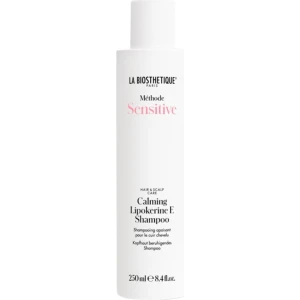
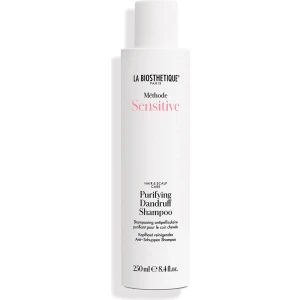
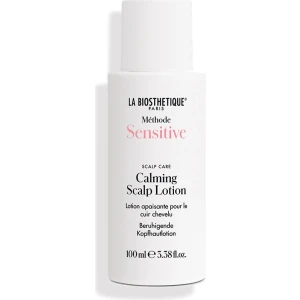
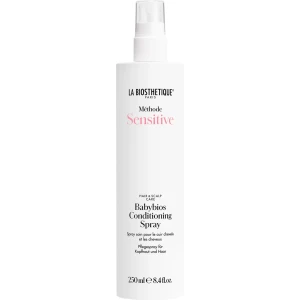
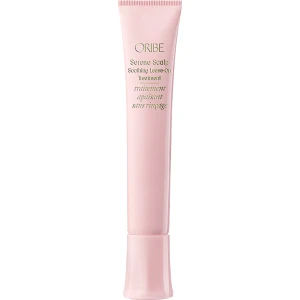
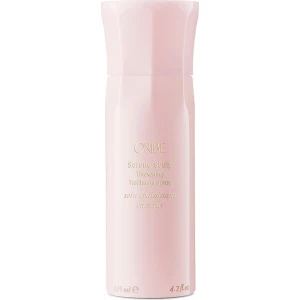
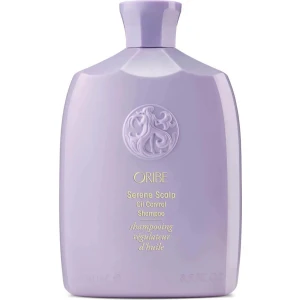
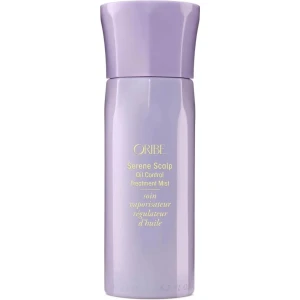
Why Your Scalp Needs Care
A healthy scalp is the foundation of strong and shiny hair. Just like your face, it needs regular care to stay clean and balanced.
The scalp produces natural oils, supports hair follicles, and regulates all processes. Over time, buildup, excess sebum, dandruff, stress, and environmental factors can disrupt the scalp's natural balance, leading to problems that affect comfort and hair quality.
The best way to remedy the situation is to give the scalp the attention and care it needs.
A healthy scalp has strong and healthy follicles, resulting in thicker, stronger hair that grows faster.
Scalp Problems and Signs of Imbalance
The scalp itself lets you know when something is off. Common scalp problems such as dandruff, itching, dryness, and oiliness hinder natural hair growth and affect appearance. These symptoms often cause a feeling of discomfort, especially if dry dandruff flakes remain on clothing or hair looks greasy shortly after washing.
If you have noticed any of the following, it may be time to adjust your routine or add specialized treatments:
- dandruff, dryness, or flaking;
- excess oiliness;
- itching or irritation;
- increased shedding;
- hair breakage;
- redness or heightened sensitivity;
- dull, lifeless hair;
- buildup from styling products or hard water.
If these problems are not addressed, they can lead to thinning and hair loss.
Scalp Care Tips: Simple Steps for Long-Term Results
Scalp care doesn't have to be complicated. The key is consistency, suitable cosmetics, and targeted treatments that don't disrupt the scalp's natural balance.
Create a comfortable scalp care routine by making a few small changes:
- Regular cleansing to remove buildup and dead skin particles;
- Choosing targeted formulas according to your needs;
- Using concentrated products that restore balance and comfort;
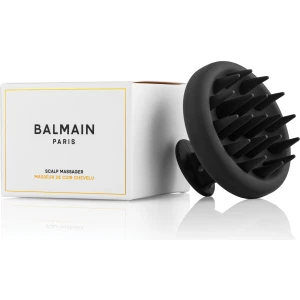
- Regular gentle scalp massage;
- Adjusting care depending on the season, stress, or lifestyle.
What You Need to Know About Scalp Types
The scalp is a complex structure consisting of several layers, including hair follicles and sebaceous glands that produce sebum to moisturize the scalp and hair. It also has its own ecosystem, known as the scalp microbiome, consisting of bacteria, fungi, and other microorganisms that maintain scalp health.
A balanced microbiome helps protect against pathogens, controls inflammation, and promotes hair growth. With the right care, the microbiome keeps the skin healthy and hydrated, preventing common problems such as dandruff and itching.
But not all scalp microbiomes are the same:
- If you have an oily scalp, hair can become greasy quickly;
- A dry scalp feels tight, itchy, and flaky, leading to a multitude of hair problems;
- The third scalp type is sensitive, prone to irritation and inflammation.
Different scalp types require specialized products.
Solving Common Scalp Problems
Scalp care is essential for hair growth, reducing and preventing hair loss, and eliminating discomfort and itching.
Scalp care products should match your condition and scalp type.
- Dandruff is caused by an overgrowth of the Malassezia fungus. Choose products that soothe the scalp and reduce dandruff.
- Scalp dryness occurs due to lack of moisture. Use moisturizing shampoos and serums.
- An oily scalp occurs due to overactive sebaceous glands. There are product lines designed to combat excess sebum and maintain the scalp microbiome.
- Scalp itching can be caused by dryness or irritation. Soothing and irritation-relieving products are needed.
What Scalp Care Products Are Available
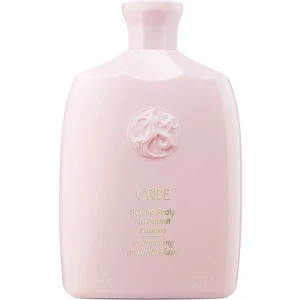
- Shampoo deeply cleanses the hair and scalp with a unique complex for controlling sebum production. It extends the time between washes and also supports a healthy scalp microbiome.
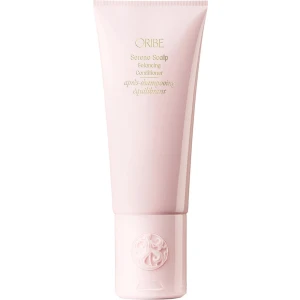
- Conditioner for scalp care is about balance: moisturizing the skin without clogging hair follicles or provoking excess oiliness.
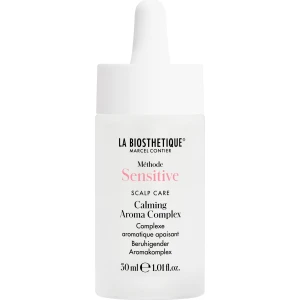
- Serum is a lightweight leave-in product designed to address various scalp problems — dryness, itching, irritation, and more.
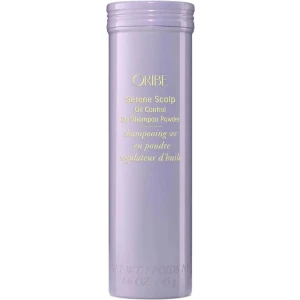
- Dry shampoo regulates sebum production and also refreshes hair.
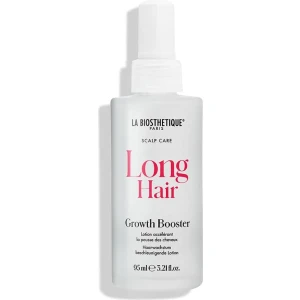
- Scalp care sprays are a light and convenient way to deliver active ingredients directly to the hair roots. They are designed to soothe irritation, regulate sebum production, and stimulate hair follicles — all without leaving a heavy, greasy residue.
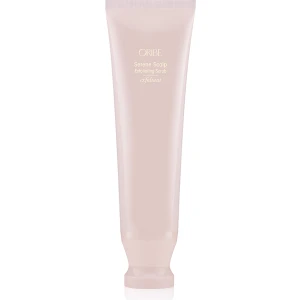
- Scalp scrubs are products applied before washing the hair: they help remove styling product residue, dead skin cells, and excess sebum. These scrubs create a favorable environment for hair follicles and stimulate blood circulation.
How to Organize Scalp Care
We often think our hair looks unhealthy because of the products we apply to it. However, scalp health is a key factor determining hair quality. So take the time to examine your scalp and address any issues by choosing products that suit your individual needs:
- Use shampoo. Apply to wet hair, gently massage the scalp, and rinse.
- Apply conditioner mainly to the mid-lengths and ends of the hair. Specialized lightweight formulas can be used on the scalp only if it is excessively dry, flaky, or irritated.
- If needed, apply serum or spray to wet or dry hair, massaging the product into the scalp with gentle massage movements.
- Use scrubs once a week to cleanse the hair roots — especially if you regularly use dry shampoo or heavy styling products.
It is also advisable to avoid harsh hair products, manage stress levels, and maintain a balanced diet — this will help eliminate factors that provoke scalp irritation.
Top Professional Brands for Scalp Care Products
The Milfey online store features the best haircare products from premium cosmetic brands, including:
Where to Buy Scalp Care Products
Premium scalp care products are available at the Milfey online store with delivery across Europe. We guarantee 100% authenticity. You can ask a question about a product via:
- Phone: +34 669 993 294
- Email: info-shop@milfeybeauty.com
Disclaimer
- The effects mentioned are stated properties of cosmetic products.
- Results may vary depending on individual skin characteristics and consistency of use.
- Before using new products, it is recommended to consult a specialist.
Q&A
Which cosmetics are suitable for a sensitive scalp?
Most people with a sensitive scalp find that standard hair care products are too harsh and drying. It is very important to use specialized scalp care products chosen according to your skin type. They can soothe a sensitive scalp, regulate sebum production, or prevent moisture loss from a dry scalp.
For a sensitive scalp, products focused on gentle action and restoring the protective barrier are suitable:
- Shampoos with mild surfactants and without harsh sulfates (SLS/SLES), parabens, and strong fragrances. Ideally, the pH of the product should be in the range of 4.5–5.5 — this helps maintain the skin's natural protective barrier;
- Soothing scalp sprays and serums — leave-in products with panthenol, bisabolol, beta-glucan, chamomile, oat, or aloe vera extracts. They relieve itching and irritation, moisturize, and don't weigh down the roots;
- Scalp masks with restorative ingredients (niacinamide, ceramides, allantoin) — these should be used 1–2 times a week to strengthen the skin barrier without provoking irritation.
- Specialized peels and scrubs — only delicate ones, with small particles or low concentrations of acids. Aggressive scrubs with large abrasives or high percentages of acids are best avoided, as they can traumatize sensitive skin and increase inflammation.
Before introducing any new product, it is advisable to perform a patch test for an allergic reaction. For persistent problems (severe itching, redness, flaking), consult a dermatologist or trichologist — sometimes sensitivity is related not only to the choice of cosmetics but also to a skin condition requiring a specialized approach.
Why has the scalp suddenly become too oily or dry?
Changes in sebum production are largely determined by genetics, stress levels, hormonal background, and seasonal changes. An oily scalp can be linked to both excessive washing (which thins the protective barrier) and insufficient washing. Dryness usually indicates damage to the moisture-retaining barrier or dehydration.
How can I tell what my scalp type is?
The scalp falls into one of three main categories:
- Oily: hair looks flat and greasy just 1-2 days after washing.
- Dry: feels tight, itchy, and noticeable small white flakes appear.
- Sensitive/inflamed: prone to redness, burning, or instant irritation from new products.
Is dandruff the same as dry scalp?
No, these conditions are often confused, but they need to be treated differently.
- Dry scalp: sheds small, dry, white flakes, with a feeling of dryness across the entire scalp. Moisturizing products — such as jojoba or argan oil — will help.
- Dandruff: caused by an overgrowth of yeast microorganisms on the scalp. The flakes are usually larger, yellowish or greasy, and accompanied by intense itching. Specialized medicated shampoos — for example, with ketoconazole or zinc pyrithione — are used for treatment.
How often should I actually wash my scalp?
There is no universal rule. In general, it is recommended to wash the hair every 2-3 days — taking into account the level of physical activity and the intensity of sebum production. For a very oily scalp, daily washing may be necessary, while for a dry scalp, once every 3–4 days is sufficient.
What is the correct way to wash the scalp?
Focus specifically on the scalp, not the length of the hair. Lather the shampoo in your palms, apply it directly to the roots, and massage the skin gently with your fingertips in circular motions for 2 minutes. Don't use your nails: they can leave micro-damage and traumatize the hair follicles.
What is a scalp exfoliator and do I need one?
Scalp exfoliation helps remove dead skin cells and stubborn styling product residue that regular shampoos can't handle.
- Mechanical exfoliator: scrubs (for example, based on brown sugar or a special salt) work well on dense product residue, but they need to be used carefully.
- Chemical exfoliator: gentle serums with salicylic acid are excellent for sensitive scalps or those prone to breakouts. Exfoliate no more than once a week.
Should I apply oils or serums?
Yes, targeted leave-in products or pre-wash treatments are very beneficial.
For a dry scalp, pre-wash oiling (jojoba, coconut, or argan oil) works great: it softens buildup and restores moisture levels.
Serums based on niacinamide or aloe vera will help soothe redness and strengthen the skin's protective barrier.