Eye care products - page 2
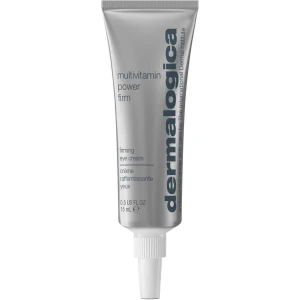
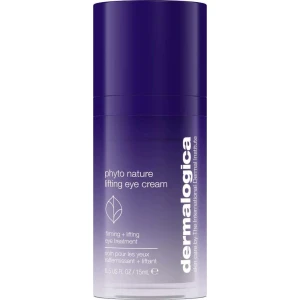
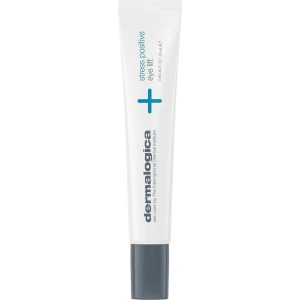
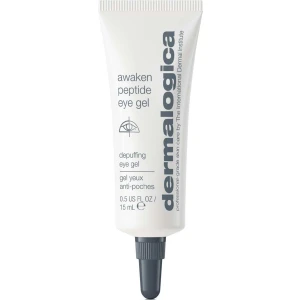
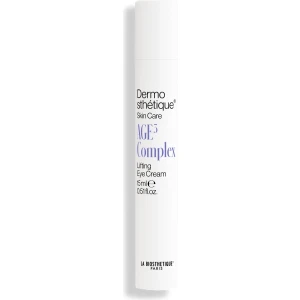
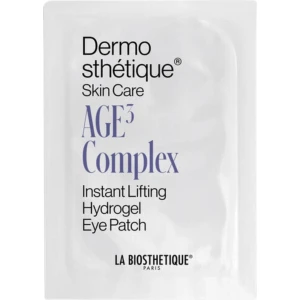
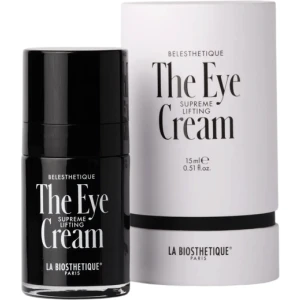
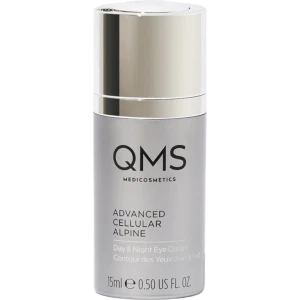
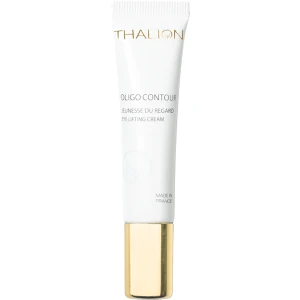
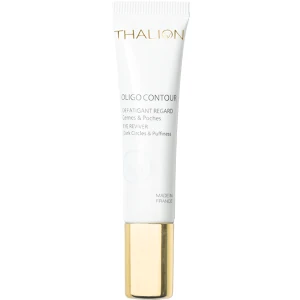
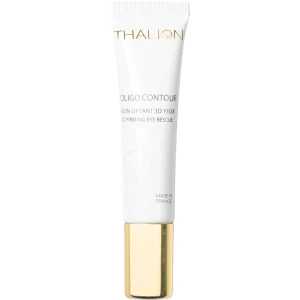
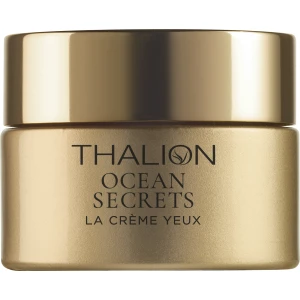
Why the Eye Area Needs a Separate Product
The skin around the eyes is much thinner and more delicate than the skin on the rest of the face. Since it produces less collagen, it can be more prone to visible signs of stress and environmental factors. This manifests as dryness, wrinkles, puffiness, or dark circles under the eyes.
Regular facial products may not always be suitable for such delicate skin. However, specially formulated serums, creams, gels, masks, and patches for the eye area allow you to use these ingredients safely without causing irritation. This even applies to retinol, which is one of the most popular ingredients for combating signs of aging.
Properly chosen eye care products can become your essential tool: they are effective enough to address visible signs of aging and other concerns, yet gentle enough for the delicate skin around the eyes.
Types of Eye Care
Hydrating
Hydration is the foundation of any eye care routine. Ingredients such as hyaluronic acid or panthenol reduce dryness, smooth out fine lines, and help maintain skin elasticity.
Anti-aging
To reduce the appearance of wrinkles and fine lines around the eyes, look for products with peptides, retinol, or bakuchiol. Formulas containing these ingredients help support skin firmness.
Whitening
Ingredients such as niacinamide, caffeine, or vitamin C can help brighten and even out the skin under the eyes.
Care for Puffiness and Under-Eye Bags
Choose products with cooling textures and ingredients like green tea or caffeine. For an enhanced effect, use a metal-tip applicator or store the product in the refrigerator.
Types of Eye Area Products
Eye Serum
Serums allow you to target specific concerns in the eye area. They contain a higher concentration of active ingredients that penetrate the deeper layers of the skin. Thanks to their lightweight formulas, you can layer other products on top of the serum to enhance the effect.
Eye Cream
Eye creams help hydrate and lock in moisture. Many prefer to use eye cream at night, as its consistency is much richer than that of a serum.
Eye Masks and Patches
Masks and patches can enhance absorption and are beneficial when you need more intensive nourishment.
Eye Gels
If you don't have very thin or dry skin, opt for something lighter in texture, such as an eye gel. It is lighter and contains more humectants.
Common Eye Area Concerns and Solutions
Dryness and Dehydration
Dehydration can significantly affect the condition of the skin around the eyes — from the appearance of dark circles to puffiness. It can also manifest on the skin's surface as dry patches.
A reaction to certain skincare products can also lead to dryness. Dry, flaky under-eye skin often requires not only water but also ceramides, fatty acids, and occlusive ingredients that lock in moisture. Peptides and hyaluronic acid also help smooth the skin. Choose textures that do not get into the eyes or cause irritation.
Wrinkles Around the Eyes
Wrinkles in this area appear gradually, often triggered by stress, lack of sleep, or prolonged screen time. Since the skin around the eyes is particularly thin and fragile, it quickly loses moisture and shows signs of aging sooner.
There are several types of wrinkles:
- Dynamic wrinkles appear over time due to repetitive muscle movements, such as crow's feet;
- Static wrinkles may be caused by skin damage from sun exposure or smoking.
To combat wrinkles and fine lines, it is important to develop the right habits:
- intensively hydrate the skin;
- stimulate microcirculation;
- protect the skin from external factors.
Your ally in this fight is retinol or retinal, but with the addition of ceramides, peptides, or hyaluronic acid to prevent irritation. The skin around the eyes is thinner and more sensitive, so look for specialized retinoid formulas that do not compromise the skin barrier.
Hydration plays a key role in supporting a smoother-looking eye area. Apply eye care products morning and evening with light tapping motions. This helps the active ingredients absorb and supports a refreshed appearance.
Puffiness and Under-Eye Bags
Under-eye bags appear because the tissue surrounding the muscles weakens. Fluid accumulates under the eyes, causing mild swelling, sagging, and puffiness. A common cause is simply lack of sleep. However, it can also be triggered by poor circulation, certain conditions (such as allergies), or genetic factors.
Look for products with caffeine, green tea extract, niacinamide, and peptides, which support microcirculation and reduce inflammation. Cooling gel textures and metal-tip applicators also help.
Store your eye cream in the refrigerator: cooling helps soothe the area and reduce the appearance of puffiness.
Dark Circles Under the Eyes
Dark circles are most likely caused by fatigue or eye strain from prolonged screen time.
Under-eye circles can be bluish, purplish, or brownish depending on skin pigmentation or circulatory issues. Some are genetic, while others are caused by pigmentation or thin skin:
- For uneven tone, choose eye creams with vitamin C, niacinamide, and licorice root extract.
- For vascular or bluish circles, peptides and brightening optical filters can help over time.
How to Build an Eye Care Routine
You can apply eye products both morning and evening, depending on your preferences and specific goals:
- Apply serums, gels, and patches as part of your morning routine, before makeup. This helps hydrate the skin and protect it throughout the day, while also preparing it for makeup application.
- Night is a great time to provide extra hydration and nourishment. Some eye creams contain ingredients such as retinol or peptides that work well at night, reducing the appearance of fine and deep wrinkles.
Daytime Eye Care Routine
- Use patches and masks. They soothe and provide intensive care for the eye area. The serum-soaked formula often contains ingredients that help reduce the appearance of dark circles, under-eye bags, and visible signs of aging.
- Apply eye serum. Remove the patches and apply an eye serum. These potent products target common skin concerns such as fine and deep wrinkles and loss of elasticity. Regular use of serum in your daily skincare routine will help improve the skin's appearance.
- Massage the eye area. Using your ring finger, gently tap the skin under the eyes and on the eyelids to allow the remaining product to absorb, then smoothly sweep your hands from the outer corners of the eyes toward the temples to create a subtle lifting effect.
- Protect the eye area with sunscreen. Do not forget to apply SPF to the eye area, including the eyelids and the corners of the eyes, to protect them from UV rays. This will help prevent sun damage and reduce the appearance of pigmentation around the eyes.
Evening Routine
- Remove makeup. Always use a gentle and effective makeup remover. Soak a cotton pad with makeup remover and hold it over your eyelid for a few seconds to allow the formula to dissolve the makeup, then gently wipe away the residue.
- Use patches or an eye mask if needed. Apply them 10 minutes before bed to relax and prepare for a full night's rest.
- Apply a rich eye cream with a nourishing texture to deeply hydrate the area. Distribute it with tapping motions around the eyes so that the skin can recover overnight. Choose a cream that addresses your specific concern — puffiness, dark circles, dryness, or wrinkles.
Best Ingredients for Eye Care
Active ingredients not only hydrate the skin around the eyes but also help maintain its youthfulness and radiance:
- Caffeine improves blood flow and helps reduce the appearance of dark circles and puffiness under the eyes.
- Antioxidants, including vitamin C, vitamin E, and ferulic acid, help combat premature aging and partially repair already existing damage.
- Peptides increase the production of collagen, which is responsible for skin elasticity, and elastin, which helps firm sagging under-eye skin. Look for active peptides such as Matrixyl, which stimulate collagen production and improve the skin's ability to retain moisture. For maximum effectiveness, look for products with a concentration of at least 5%.
- Hyaluronic acid effectively hydrates and plumps the skin, which is why it is often used to smooth out fine and deep wrinkles.
- Vitamin C is a powerful antioxidant that can noticeably reduce pigmentation and brighten the skin.
- Seaweed extract helps maintain the youthfulness of delicate skin, making it more firm and nourished.
- Green tea. Since it contains some caffeine, skincare products with green tea offer additional benefits, such as helping to constrict blood vessels around the eyes, which reduces the appearance of dark circles, irritation, and puffiness.
- Exosomes are nanoparticles derived from platelets that harness the body's own renewal capabilities to noticeably reduce the appearance of under-eye bags.
It is best to avoid mixing too many active ingredients in one routine to keep the eye area comfortable. You can split two active ingredients across different steps of your routine — for example, hyaluronic acid in the morning and retinol at night.
Common Mistakes in Eye Care
The skin around the eyes is particularly thin, sensitive, and contains few sebaceous glands, making it vulnerable to external influences.
Two main mistakes:
- Using products containing alcohol, fragrances, or strong exfoliating ingredients, which can lead to visible discomfort.
- Rubbing when removing makeup or applying cream too vigorously can affect the skin's appearance over time.
Therefore, it is important to apply cosmetics with light, patting motions and to choose products specifically designed for this area:
- hypoallergenic,
- dermatologically tested,
- and rich in active ingredients.
Daily and gentle care helps maintain skin elasticity and a radiant look for a long time.
What to Look for When Choosing an Eye Cream
- Before purchasing a new eye product, carefully study the ingredient list. Look for components that address your specific concerns: retinol for wrinkles, vitamin C for brightening, or hyaluronic acid for hydration. Natural ingredients such as aloe vera, chamomile, or cucumber can also have a soothing effect if your skin needs restoration.
- Pay attention to the texture. Some products are lightweight gels or serums, while others have a rich or silky creamy consistency. Choose a texture that matches your preferences and skin type. For example, if you have oily skin, a lightweight gel is more suitable, while dry skin will benefit more from a richer cream that provides longer-lasting hydration.
- Fragrances and certain chemicals can negatively affect the delicate eye area. Whenever possible, choose hypoallergenic formulas. This will minimize the risk of irritation, especially if you have sensitive skin.
- Sun protection is one of the most important factors in maintaining the health and appearance of the eye area. Look for eye products with SPF30 or higher that protect against UV rays.
- Pay attention to how the eye cream feels on your skin. It should absorb easily without leaving a greasy residue. A lightweight texture ensures even application and prevents the product from getting into your eyes.
- Choose eye creams that have undergone clinical testing. This guarantees the product's effectiveness and safety. Positive reviews from other customers are also important.
Top Professional Brands for Eye Care
The Milfey online store features the best products from premium cosmetic brands, including:
- Comfort Zone
- Forlle’d
- Linda Kristel
- Margy's Monte Carlo
- Marini SkinSolutions
- QMS Medicosmetics
- Thalion
- iS Clinical
Where to Buy Eye Care Products
Premium eye care products are available at the Milfey online store with delivery across Europe. We guarantee 100% authenticity. You can ask a question about a product via:
- Phone: +34 669 993 294
- Email: info-shop@milfeybeauty.com
Disclaimer
- The effects mentioned are stated properties of cosmetic products.
- Results may vary depending on individual skin characteristics and consistency of use.
- Before using new eye care products, it is recommended to consult a specialist.
Q&A
Why do you need an eye cream?
The skin around the eyes is the thinnest on the face. That is why signs of aging, damage, and stress most often appear here. This skin is subjected to additional strain every day, so it also requires more attention.
Here is what a good eye cream can do:
- Reduce under-eye bags. Special ingredients combat puffiness by increasing skin firmness and elasticity.
- Fight dark circles. Brightening ingredients help reduce the appearance of dark circles.
- Hydrate. Many eye creams work proactively by locking in water before environmental factors can deplete it from your skin.
- Support healthy aging. Ingredients such as caffeine, melatonin, peptides, and plant extracts help improve skin texture, smooth out fine lines, and strengthen the skin's natural defenses.
How is eye cream different from face cream?
Although the ingredient lists may partially overlap, there are two main differences: concentration and purpose.
- The skin around the eyes is much more sensitive than the rest of the facial skin, so potent formulas that work well on the cheeks or forehead may be too harsh for the under-eye area.
- Additionally, when buying an eye cream, you are most likely trying to solve completely different concerns (e.g., combating under-eye bags or dark circles) that your face cream does not address.
Can I use eye cream every day?
Yes, it is generally recommended to use eye cream daily so that the ingredients can work, hydrate, and protect this area.
How do I hydrate the skin around the eyes?
It is important to apply eye cream daily, morning and evening, to keep the skin hydrated and firm, and to make fine lines less noticeable. Be sure to use a cream specifically designed for the eye area and tailored to your individual needs.
It is better to choose a product specifically designed for the eye area, as it is formulated to be gentle.
How do I properly apply eye care products?
Use your ring finger for application to ensure gentle and controlled touches. Alternatively, follow the manufacturer's recommendations. This usually involves light tapping motions without pressing or stretching the skin.
Should I apply eye products to my upper eyelids?
Apply the cream around the eye socket — under the eye and just below the brow bone. Avoid the moving eyelid and the lash line for comfortable use. Try to choose well-tested formulas that are safe for the mucous membranes if accidental contact occurs.
Can I apply eye cream over sunscreen or makeup?
Allow the eye cream to fully absorb before applying sunscreen or makeup. Choose a formula that sits well under concealer and does not pill.
When should I see a specialist?
A specialist can offer personalized solutions such as specific types of massage, targeted treatments, or appropriate dietary supplements. These approaches can complement cosmetic procedures and help achieve more long-lasting results.
How can I naturally rejuvenate and strengthen the skin around the eyes?
Gentle massage and cooling compresses can help the skin look fresher and more rested. Procedures using eye care products rich in essential fatty acids and vitamins nourish and strengthen the skin.
How can I tighten the skin around the eyes?
A cream with ingredients that support firmness, such as retinol, can help the skin around the eyes look more lifted.
What is the best ingredient for the eye area?
Some of the best ingredients for improving the condition of the skin around the eyes are caffeine, retinol, hyaluronic acid, and vitamin C. For best results, choose a product formulated to address your specific concerns.