Body care - page 3


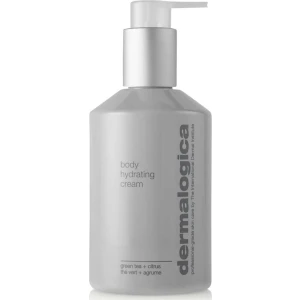


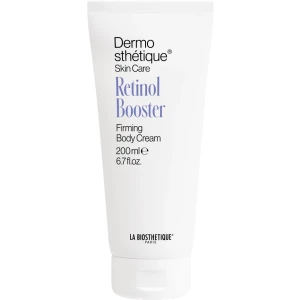
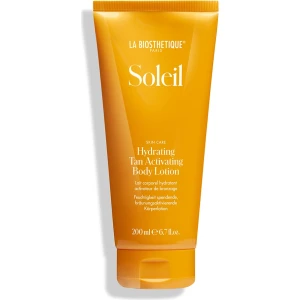
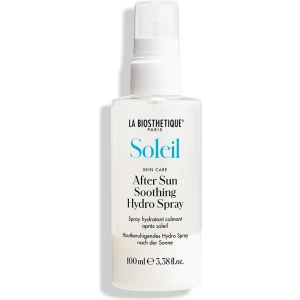
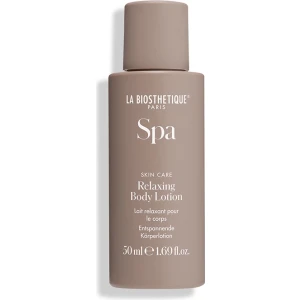
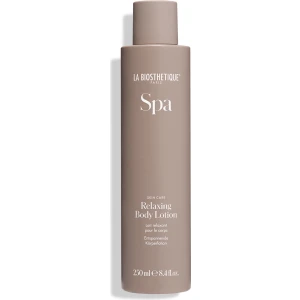
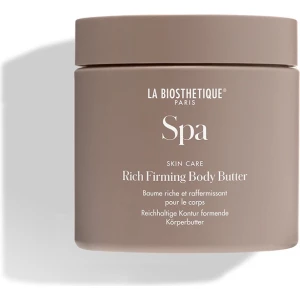
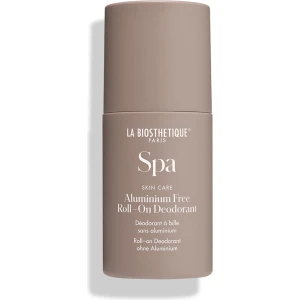


Body Care Cosmetics: Professional Treatment and Daily Skin Care
Skin is the largest organ of the human body. It faces daily friction from clothing, temperature fluctuations, UV radiation, and a harsh external environment. At the same time, the body has fewer sebaceous glands and a slower cell turnover rate than the face, making the skin more prone to dryness and dullness.
It is crucial to select the right body care cosmetics, taking these physiological features into account, to maintain the protective barrier, prevent moisture loss, and address specific aesthetic concerns.
Body Care Product Categories
Cleansing: Shower Gels, Scrubs, Peels, and Soaps
Dermatologists recommend using daily cleansers to remove sweat, sebum, environmental pollutants, and sunscreen residue. Without regular cleansing, pores become clogged, leading to dullness, irritation, and the risk of bacterial infections.
The key lies in choosing the right cleanser: gels and oils with a neutral pH (5.0-5.5) gently remove impurities without disrupting the lipid barrier.
Choose body soaps based on plant oils (olive, shea, babassu) with added glycerin or lanolin — they cleanse without compromising the lipid barrier. Avoid alkaline household and antibacterial soaps, harsh washcloths, and products with SLS/SLES: they provoke dryness, itching, and flaking.
Use scrubs and acid peels 1-3 times a week to exfoliate dead skin cells.
Hydration and Nourishment: Creams, Lotions, Milks, and Butters
Apply moisturizers within the first few minutes after showering on slightly damp skin:
- Lotions and milks are suitable for daily use over large areas.
- Butters and rich oils create an occlusive film necessary for extremely dry areas: elbows, knees, and heels.
Specialized Body Care: Anti-Cellulite, Stretch Mark, and Firming Products
Anti-cellulite creams, masks, wraps, and serums improve microcirculation, stimulate lymphatic drainage, and strengthen connective tissue, reducing the appearance of skin dimpling. For visible results, apply these products daily with massaging motions to the thighs, buttocks, abdomen, and arms, and combine your body care routine with physical activity.
A separate category includes firming formulas to correct sagging and loss of tone caused by age-related changes, hormonal shifts, or rapid weight loss.
Incorporate products with collagen, elastin, and peptides to strengthen fibers, as well as exfoliating acid formulas: they accelerate cell turnover and boost the efficacy of subsequent creams.
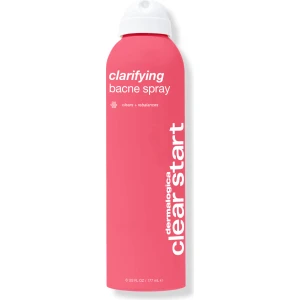
To correct "chicken skin" (keratosis pilaris) and body acne, use formulas with salicylic acid and urea.
SPF for Body Care
Apply broad-spectrum sunscreens to all exposed areas: the neck, décolletage, hands, and ears. UV radiation accumulates daily, penetrating even through windows, leading to photoaging and pigmentation. After-sun products with panthenol and allantoin accelerate barrier recovery.
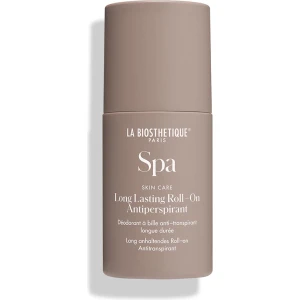
Deodorants and Hair Removal Products
Before shaving, use gentle chemical or physical exfoliants to prevent ingrown hairs. After the procedure, use soothing oils and alcohol- and fragrance-free balms to relieve follicle inflammation.
How to Choose Body Care Cosmetics by Skin Type and Concerns
For Dry and Sensitive Skin
- Look for ceramides, glycerin, and squalane in the ingredient list.
- Wash with warm, not hot, water to avoid stripping natural protective oils.
- If prone to eczema, reduce shower frequency and add bath salts to your baths.
For Oily and Problem-Prone Skin
- Incorporate salicylic (BHA) and mandelic acids into your routine. They dissolve sebum in the pores and effectively treat acne on the back, chest, and shoulders.
- Choose lightweight, non-comedogenic, water-based lotions and avoid heavy oils that clog follicles.
Anti-Aging Body Care
- Introduce retinol, peptides, and vitamin C. These ingredients stimulate collagen synthesis, thicken the skin, and fight age-related dark spots that often appear on the hands and décolletage.
Body Care for Atopic Dermatitis and Irritation
- Completely eliminate products with fragrances, essential oils, and dyes.
- Use emollients with urea (in low concentrations) and niacinamide to relieve itching and accelerate tissue regeneration.
Active Ingredients in Body Care Cosmetics
Ingredient | Mechanism of Action on Body Skin |
| Urea (5-10%) | Breaks down bonds between dead skin cells, intensely retains moisture, and softens rough areas. |
| Glycolic Acid (AHA) | Stimulates cell turnover, smooths skin texture, and boosts collagen production. |
| Salicylic Acid (BHA) | Penetrates pores, dissolves impurities, and relieves inflammation in body acne. |
| Ceramides | Restore the lipid barrier and prevent transepidermal water loss. |
| Niacinamide (B3) | Reduces redness, strengthens protective functions, and lightens post-acne marks. |
| Squalane | A bio-compatible emollient that softens the skin without the risk of comedogenicity. |
| Lactic Acid | Provides gentle exfoliation while simultaneously acting as a humectant. |
Benefits of Specialized Body Care Cosmetics
- Formulas take physiology into account — a lower density of sebaceous glands and a thicker stratum corneum compared to the face.
- Textures are adapted for economical application over large areas and fast absorption without stickiness.
- Concentrations of acids and retinol are optimized for safe daily use on the body.
- Formulas undergo dermatological testing for allergenicity and comedogenicity.
Step-by-Step Body Care Beauty Routine
Effective body care is built on the consistency of steps and regular execution. Even a simple daily routine yields better results than rare, intensive treatments. Follow this scheme, adapting it to your skin type and the season.
Step 1. Cleansing in the Shower
Shower for no more than 10 minutes using warm (not hot) water. Hot water destroys the lipid barrier and provokes transepidermal water loss. Apply shower gel or cleansing oil to damp skin in circular motions, starting from the shoulders and moving downwards.
Pay special attention to areas of increased sweating: armpits, back, chest, groin, and feet. After cleansing, pat the skin dry with a towel without rubbing — it should remain slightly damp for the next step.
Step 2. Exfoliation (2-3 times a week)
Use a scrub or chemical exfoliant to remove dead skin cells, improve texture, and prevent ingrown hairs. Apply the product with massaging motions to damp skin, focusing on rough areas: elbows, knees, heels, and the back of the hands.
Physical scrubs with soft granules are suitable for normal skin, while chemical exfoliants with AHA/BHA acids are ideal for problem-prone skin and those prone to keratosis pilaris.
Do not exfoliate damaged, sunburned, or irritated skin. After the procedure, be sure to apply a moisturizer to restore the barrier.
Step 3. Specialized Body Care Products and Serums (as needed)
At this stage, address specific skin concerns. Apply concentrated serums to damp skin before your moisturizer.
- For cellulite and sagging — products with caffeine, peptides, and retinol.
- For body acne — formulas with salicylic acid.
- For hyperpigmentation — vitamin C and niacinamide.
Let the serum absorb for 1-2 minutes before the next step.
Step 4. Hydration (daily)
This is the most crucial step in your body care routine:
- Apply lotion, cream, or oil to slightly damp skin within 3 minutes after showering — this locks moisture into the stratum corneum and prevents dryness.
- Distribute the product with upward massaging motions, paying special attention to dry areas: shins, elbows, knees, and hands.
- In summer, use lightweight water-based lotions; in winter, switch to rich creams and butters with occlusive ingredients.
- Don't forget the neck, décolletage, and the back of the hands — these areas reveal age first.
Step 5. Sun Protection (morning)
Apply a broad-spectrum sunscreen (SPF30+) to all exposed skin areas before going outside. UVA rays penetrate clouds and window glass, causing photoaging and pigmentation year-round.
Reapply protection every 2 hours during prolonged sun exposure.
Sprays and milks are convenient for the body — they absorb quickly and leave no white casts.
Morning Ritual (5 minutes)
- Cleansing with a mild shower gel
- Patting skin dry with a towel
- Applying lotion or oil to damp skin
- Sunscreen on exposed areas (neck, décolletage, hands)
Evening Ritual (10-15 minutes)
- Cleansing
- Exfoliation 2-3 times a week
- Treatment serum as needed
- Intensive hydration with a cream or butter
- Nourishing cream for hands and feet
Seasonal Adjustments
- Winter: Switch to rich textures (butters, oils), add occlusives (shea butter, squalane), and use a humidifier indoors. Reduce exfoliation frequency to once a week for dry skin.
- Summer: Use lightweight lotions and gels, increase exfoliation frequency to prevent ingrown hairs, and always apply SPF. After the pool or sea, cleanse the skin with mild products and hydrate intensely.
- Spring/Autumn: Adapt textures to your skin's current condition. In spring, add exfoliation to remove winter dryness; in autumn, start transitioning to more nourishing products.
When the Routine Isn't Working
If you don't see improvements after 4-6 weeks of regular body care, reassess your scheme:
- Reduce exfoliation if you experience irritation and redness.
- Boost hydration if you have persistent dryness and flaking.
- Add active ingredients if basic care yields no results.
- Consult a dermatologist for chronic itching, rashes, or changes in moles.
Where to Buy Body Care Products
Body skincare products are available at the Milfey online store with delivery across Europe. We guarantee 100% authenticity. You can ask a question about a product via:
- Phone: +34 669 993 294
- Email: info-shop@milfeybeauty.com
Disclaimer
- The effects mentioned are stated properties of cosmetic products.
- Results may vary depending on individual skin characteristics and consistency of use.
- Before using new products, it is recommended to consult a specialist.
Q&A
How often should you shower?
Daily showers are suitable for people with normal skin. If you are prone to dryness, frequent washing with soap destroys the barrier. In such cases, just rinse with water and use cleansers only for areas with increased sweating.
How to adapt your body care routine for winter?
Replace lightweight lotions with rich creams and balms containing occlusive ingredients (shea butter, petrolatum). Use a humidifier indoors to counteract the dryness from central heating. Pay special attention to your shins and the back of your hands.
Does lifestyle affect the condition of body skin?
Directly. Chronic stress and lack of sleep provoke flare-ups of psoriasis, rosacea, and hives. For healthy skin, drink enough water, eat foods rich in Omega-3s, wash workout clothes immediately after training (to avoid folliculitis), and use silk pillowcases to reduce friction.
In what order should you apply products after a shower?
First, pat the skin dry with a towel (do not rub). Then, apply treatment serums or chemical exfoliants (if needed) to damp skin. Next, "seal" in the moisture with a lotion, cream, or oil. Apply SPF only before going outside.
Can you use face cosmetics on the body?
Body skin is thicker, has fewer sebaceous glands, and a slower cell turnover rate. Face products often contain active ingredient concentrations that are too low to solve body issues (cellulite, roughness) or, conversely, are too harsh for large application areas. Use specialized body care products with adapted formulas.
Why does body skin get drier than the face, even with regular moisturizing?
The body has several times fewer sebaceous glands than the face, and the stratum corneum is thicker. This slows down natural lipid production and cell turnover. Hot showers, tight synthetic clothing, and indoor heating further destroy the barrier. Switch to warm water, wear natural fabrics, and use emollients with ceramides immediately after washing.
How to properly combine acids and retinol in a body care routine?
Do not apply them at the same time: this provokes irritation and barrier disruption. Alternate them: use acids (AHA/BHA) 2-3 times a week in the evening for exfoliation, and retinol on the other evenings to stimulate collagen or correct breakouts. Always apply SPF in the morning. For sensitive skin, introduce actives gradually, starting with once a week.
Do scrubs help with ingrown hairs?
Physical scrubs only temporarily remove surface cells but do not solve the ingrown hair problem. Chemical exfoliants with salicylic (BHA) or glycolic (AHA) acids are more effective: they dissolve the bonds between dead cells inside the follicle, freeing the hair. Apply acid lotions 2-3 times a week exclusively between hair removal sessions, not before or after the procedure.
Why isn't my anti-cellulite cream working?
Most often, the reason is irregular use or a lack of a comprehensive approach. Anti-cellulite products only work when applied daily in a 4-8 week course, combined with massage, physical activity, and dietary control. They improve microcirculation and skin tone but do not break down fat. Expect visual smoothing of skin texture, not a reduction in volume.
Are essential oils safe in body care cosmetics?
In their pure form, essential oils cause burns and allergies. In cosmetics, they are safe only at the correct concentration (up to 2%) and diluted in a carrier oil. Avoid products with citrus oils before going out in the sun: they are phototoxic and provoke pigmentation. For sensitive skin, choose fragrance-free products.
What to do if moisturizer pills on the body?
Pilling indicates texture incompatibility or product overload. Apply the product in a thin layer to slightly damp skin. If you use multiple products, follow the layering rule: lightweight water-based serums first, then lotions, and oils last. Wait 2-3 minutes between layers for absorption. Switch to a lighter texture if the problem persists.